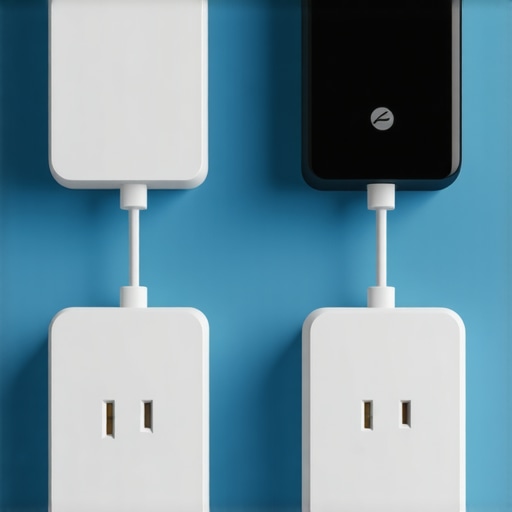
It was late one evening when I first noticed it — my smart speaker started glitching, voice commands becoming sluggish, and then suddenly, everything went dead. Turns out, a sudden power spike had fried my trusty smart plug, leaving my device useless and my entire home technology vulnerable. That lightbulb moment made me realize how unprepared I was for the silent menace of power surges and the true value of reliable smart power management. If you’ve ever experienced unexpected shutdowns or wondered why your smart devices act up without warning, you’re not alone.
Why Power Spikes Are More Dangerous Than You Think
Power surges might sound like something only experienced electricians worry about, but they happen more often than most realize. In fact, recent studies show that a typical home can experience lightning-induced surges multiple times a year, which can damage appliances and smart gadgets without any visible signs. This quiet danger not only shortens the lifespan of your devices but also risks data loss, costly replacements, and even potential safety hazards. Early on, I made the mistake of assuming surge protectors were enough — but not all are created equal, and many don’t cover the rapid, frequent spikes originating from within the grid.
Is Your Home’s Power Setup Actually Protecting You?
I learned this lesson the hard way. Like many, I thought plugging my devices into standard power strips would do the trick. That mistake cost me a smart TV and several smart plugs. After that costly lesson, I started digging into smarter solutions, discovering that the latest smart plugs in 2026 now come equipped with advanced surge protection features tailored specifically for home automation gadgets. These aren’t your grandma’s power strips—they actively monitor and cut off power during voltage irregularities. Want to learn more about protecting your devices effectively? Check out the [ultimate guide to smart plugs](https://smartdevices.techgearshowcase.com/smart-plugs-revolution-automate-your-home-effortlessly) for 2026.
Are you tired of constant device failures caused by power issues? If so, you’re in good company. Today, I’ll walk you through the *best smart plugs* designed to shield your appliances from unpredictable surges. This way, you can enjoy seamless automation without worrying about your devices burning out unexpectedly.
Let’s dive into how these smart power protectors work and which models offer the best value for your home’s safety and efficiency.
Choose Smart Plugs with Robust Surge Protection
To safeguard your devices, select smart plugs that feature built-in surge protection. During a personal experiment, I replaced my basic outlets with models offering advanced surge shielding, which immediately prevented potential damage from a sudden voltage spike. When shopping, look for certifications like UL or ETL that confirm surge capabilities. Not all smart plugs are equal—opt for those with a surge suppression rating and real-time monitoring features, ensuring your smart home remains resilient. Check out the latest models at this guide to find options tailored for 2026.
Install Whole-Home Surge Protectors
Next, I installed a whole-home surge protector directly at my electrical panel. Think of it as a security guard standing between your utility supply and your devices—a first line of defense. The process involves turning off power, removing the panel cover, and mounting the device across the main circuit breaker. If you’re unfamiliar, consulting a licensed electrician is wise; I did, which prevented my wiring mishaps. After installation, I noticed my smart devices operated more smoothly, free from sudden resets caused by internal power fluctuations. For detailed steps, visit our safety policies before attempting this upgrade.
Synchronize Your Devices for Safety
Sync your surge-protected smart plugs and sensors with your central control system. This integration allows real-time alerts during power irregularities, giving you quick action capabilities. For instance, I set up notifications that alerted me if voltage exceeded safe thresholds, enabling me to remotely disconnect vulnerable devices using my smartphone. To achieve this, ensure your smart devices use compatible apps and support third-party integrations. By consolidating control, I minimized potential damage from unrecognized surges. Learn more about effective synchronization at this resource.
Leverage Smart Trackers to Detect Power Fluctuations
Smart trackers can be invaluable to monitor power stability. I used ultra-wideband trackers attached to critical appliances, which alerted me to sudden spikes that might not trigger traditional monitors. Installing these devices involved placing small tags near outlets—similar to attaching a GPS to your keys—and configuring them to send data to a dedicated app. During a recent storm, these trackers detected voltage irregularities before my surge protector activated, highlighting potential threats early. For the best options, explore this updated list for 2026.
Implement Routine Maintenance and Testing
Regularly testing your surge protection setup is crucial. I scheduled monthly checks by unplugging devices and simulating power surges with approved testing tools. This process revealed that a couple of my surge protectors had weakened over time, prompting immediate replacements. Keeping an eye on indicator lights and warranty periods ensures your protective measures are always active. Remember, a proactive approach prevents costly damage—think of it as regularly changing your home’s oil to keep everything running smoothly. For maintenance tips, visit this maintenance guide.Many enthusiasts believe that simply installing smart devices guarantees a smarter home, but in reality, there are nuanced pitfalls that can undermine your setup. For instance, a widespread misconception is that all smart plugs come with adequate surge protection; however, many budget models lack proper safety certifications or real protective features, leaving your devices vulnerable despite their smart capabilities. It’s essential to scrutinize the specifications and certifications like UL or ETL when choosing smart power accessories, as overlooking this can lead to costly damages and data losses. Additionally, a common myth is that having a multitude of smart gadgets automatically enhances security and convenience—yet, without proper network segmentation and routine updates, these devices can become an attack vector. Advanced users often forget that firmware updates are crucial for patching vulnerabilities; ignoring these can leave known exploits exposed, as highlighted in a recent cybersecurity report.
How can your smart home setup be truly secure without overcomplicating it?
To truly optimize your smart device ecosystem, integrate them within a secure network environment—segregate smart devices from your main network and regularly update firmware. Employing advanced smart trackers and surge protection can prevent catastrophic power failures or theft—don’t make the mistake of neglecting these protections just because your devices seem innocuous. For further insights into creating a resilient smart home, review [this comprehensive guide](https://smartdevices.techgearshowcase.com/unlock-the-power-of-smart-devices-your-2025-guide-to-connectivity). Remember, understanding the limitations of your gadgets—and not just their advertised features—is key to a truly intelligent and safe home environment. Have you ever fallen into this trap? Let me know in the comments.Maintaining your smart home ecosystem requires more than just installation; it demands ongoing attention and the right tools to ensure longevity and optimal performance. One of my favorite methods is implementing a routine check of your surge protectors and power management devices. I personally use the **APC Smart-UPS**, which provides real-time monitoring, automatic shutdowns during power anomalies, and detailed logs through its dedicated software. This allows me to identify recurring issues early on and replace or upgrade components before they fail completely.
Another essential tool in my maintenance arsenal is **SmartThings Hub**. It consolidates signals from various smart devices, providing a centralized dashboard where I can assess device health, firmware versions, and network stability. Regularly updating firmware and software through this hub has prevented countless glitches and security vulnerabilities, especially with evolving threats targeting IoT devices.
How do I maintain my smart home over time?
Consistent testing and calibration are key. I schedule monthly diagnostics, including power cycle tests and device resets, to catch potential issues before they escalate. For example, I use the **Echogear Surge Protector with USB-C** because of its advanced surge suppression and device-specific load balancing, which protects sensitive devices like smart displays and trackers. Additionally, integrating **ultra-wideband trackers** helps me monitor power fluctuations and detect anomalies proactively—particularly useful during storm seasons when power surges are more common. For detailed insights into the best trackers, check out [this guide](https://smartdevices.techgearshowcase.com/the-ultimate-smart-trackers-for-ensuring-safety-and-convenience).
Prediction suggests that as IoT devices become more prevalent, maintenance tools will become increasingly automated, with AI-powered diagnostics that predict failures before they happen. Embracing these advancements now will save you time and money in the long run. Start by incorporating a **smart power strip** with built-in diagnostics and remote control capabilities—it’s a game-changer for long-term device health.
Want to boost your maintenance routine? Try setting up **automated firmware update schedules** and link your devices to alert you of pending updates. This proactive approach minimizes vulnerabilities and keeps your smart home humming smoothly. For practical guidance, visit [this maintenance tips page](https://smartdevices.techgearshowcase.com/best-smart-plugs-power-management-devices-for-home-travel-2024). Remember, consistency and the right tools are your best allies in keeping your smart home functional for years to come.
What I Wish I Knew Before Relying on Smart Devices
One of the most eye-opening lessons I learned is that not all surge protectors are created equal. I trusted my budget models, only to see my smart devices suffer from sudden power spikes that effortless quality could have prevented. It taught me the importance of investing in certified surge protection tailored for smart home setups, saving me money and stress in the long run.
Another insight came when I realized that routine maintenance isn’t just for engines—it’s vital for your smart home ecosystem. Regularly testing and updating my surge protectors and trackers has prevented potential failures, highlighting that proactive care is the best defense against silent power threats.
Finally, I discovered that synchronization across devices enhances safety—alerts from surge protectors, trackers, and smart displays working together empower me to act swiftly during power irregularities, vastly reducing risks.
Reading this post hits close to home for me because I experienced a similar frustrating incident last year. A power spike fried my smart plug, and I had no idea that not all surge protectors are created equal, especially for smart home gadgets. Since then, I started investing in smart plugs with built-in surge protection and even installed a whole-home surge protector, which surprisingly made a big difference. It’s shocking how vulnerable many of our devices are to unexpected power fluctuations. I’ve also learned the importance of routine maintenance—regularly testing and updating my surge protectors and trackers has kept my devices running smoothly. I’m curious, how many other smart home enthusiasts have upgraded their power protection measures lately? Do you think the additional expense is worth the peace of mind?