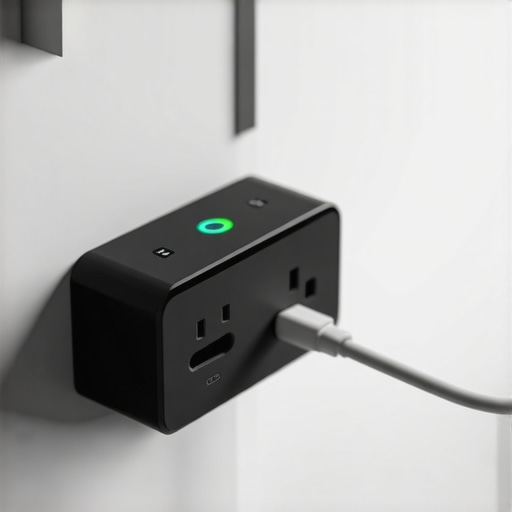
It all started one hectic morning when I rushed to unplug my coffee machine, only to realize I had forgotten. The frustration of reaching behind appliances, fumbling for switches, or manually toggling each device is something I bet many of you can relate to. That moment of irritation led me down a rabbit hole of smart solutions that promised to make my life simpler—enter the world of smart plugs and power management devices.
Over the years, I’ve experimented with various gadgets, but the real breakthrough came when I discovered how the right smart devices could transform not just my home but also my travel experiences. Imagine controlling your devices remotely, saving energy, and avoiding those last-minute power outages—sounds ideal, right? But with so many options flooding the market in 2024, making the right choice can feel overwhelming.
Today, I want to share what I’ve learned from personal trial and error. My goal is to help you understand which smart devices genuinely deliver on their promises, saving you time, energy, and stress. Whether you’re a tech enthusiast or a practical planner, you’ll find insights to optimize your home’s power setup effortlessly.
Why Smart Power Management Matters Now More Than Ever
In an age where remote work, smart homes, and on-the-go lifestyles are becoming the norm, managing power efficiently isn’t just a convenience—it’s a necessity. According to the U.S. Department of Energy, Americans could save up to 30% on their energy bills by using smart power management devices effectively. That’s substantial savings, especially amid rising utility costs.
But beyond cost savings, smart power devices offer safety benefits, reducing risks of electrical overloads and fire hazards. They also contribute to environmental conservation by helping us cut down on unnecessary standby power consumption—a phenomenon known as ‘phantom loads’ that accounts for up to 10% of household energy use, as revealed by the Lawrence Berkeley National Laboratory.
Have you ever experienced leaving home only to wonder if you’ve turned off your devices? Or maybe you’ve faced power outages that disrupt your daily routine? If any of these scenarios sound familiar, you’re not alone. And the good news? Smart plugs and power management devices can address these challenges head-on.
In the upcoming sections, we’ll explore *how* to choose the best smart power solutions for your home and travel, along with practical tips to get started. For those curious about integrating these devices seamlessly into your routines, check out our comprehensive guide on [smart plugs and automation](https://smartdevices.techgearshowcase.com/smart-plugs-revolution-automate-your-home-effortlessly). Now, let’s dive into how to avoid common pitfalls and pick the perfect devices that truly make a difference.
Identify Your Critical Devices and Power Needs
Start by making a list of devices you frequently forget to turn off or want to control remotely, like lamps, coffee makers, or chargers. Think of it as creating a blueprint for what needs automation. For example, during my recent trial, I focused on my home office equipment and kitchen appliances to see immediate benefits. This step ensures you focus on high-impact areas first, making your setup more efficient and tailored to your habits.
Choose Compatible Smart Plugs and Power Devices
Select smart plugs that suit your devices’ wattage and plug types. Think of smart plugs as the ‘neural connections’ for your appliances—if they’re incompatible, your automation vehicle can’t run smoothly. I found that pairing my high-wattage coffee machine with a certified, Wi-Fi-enabled smart plug prevented unexpected shutdowns and alerted me if I left it on accidentally. For comprehensive insights, see the full list of top smart plugs for 2024.
Set Up a Central Control Hub or Use Voice Assistants
Utilize a smart display or smart speaker to manage your devices effortlessly. Think of this as your command center—imagine saying Many enthusiasts assume that simply owning a smart device guarantees effortless convenience, but real experts know there’s more beneath the surface. One prevalent misconception is that all smart gadgets seamlessly integrate without hiccups; however, compatibility issues often lead to frustration, especially when devices operate on different protocols or require frequent updates. For example, pairing incompatible smart plugs with your existing hub can result in unreliable automation, undermining your efforts to streamline daily routines.
Another myth revolves around security. It’s commonly believed that smart devices inherently safeguard your privacy, but in reality, many ignore critical aspects like encrypted connections or privacy policies. Neglecting this can expose your data to breaches, particularly if devices connect to unsecured networks. Always review privacy policies and opt for devices with strong security features—more on this can be found in our detailed privacy policy guide.
A hidden nuance lies in device placement and network architecture. For instance, placing a smart speaker too close to thick walls or within network dead zones can degrade voice recognition and connectivity. Advanced users understand that optimizing placement and segmenting your Wi-Fi with mesh systems enhances performance—something I experienced firsthand. A poor setup can turn a promising smart home into a series of unreliable gadgets.
An often-overlooked detail is automation logic. Relying solely on simple on/off routines misses out on more sophisticated scenarios that adapt to user habits. For example, configuring sensors to trigger actions based on motion or ambient light creates a dynamic environment—think of it as upgrading from basic automation to a responsive ecosystem. This can prevent common pitfalls where devices either turn off at inconvenient moments or fail to respond.
To upgrade your approach, consider diving into concepts like device interoperability standards such as Matter, which aims to unify smart home products—more info available at our connectivity guide. Ensuring your devices adhere to such standards minimizes compatibility headaches and future-proofs your setup.
Have you ever fallen into this trap? Let me know in the comments. Remember, an informed user capitalizes on the true potential of smart technology, avoiding costly mistakes and unlocking smarter living.
Maintaining your smart home setup requires more than just initial installation; it calls for strategic tools and consistent routines to ensure everything runs smoothly long-term. One of my go-to tools is a centralized dashboard app like Maximize Your Smart Displays. I rely on this platform because it consolidates control of all my devices into a single interface, reducing the chaos of managing multiple apps and ecosystems. This centralization minimizes the risk of device desynchronization, which can occur due to firmware updates or network fluctuations.
For ongoing maintenance, I also use automation monitoring tools like smart plugs with energy monitoring. These allow me to track power consumption and identify devices that may be malfunctioning or drawing excess power, which is vital for long-term health of your gadgets. Regularly reviewing device logs and energy reports helps preempt failures and ensures your setup remains optimized.
Moreover, routine firmware updates play a critical role. I set up monthly check-ins—many devices support automatic updates, but manual verification is wise, especially for critical components like smart trackers or security cameras. A trusted method I employ involves scheduling firmware checks through the device manufacturer’s app, combined with automatic updates. This approach guarantees that I benefit from security patches and new features without disruption.
Another essential practice is network hygiene. Running a dedicated mesh Wi-Fi system for your smart devices can dramatically improve stability. I personally use a system like Netgear Orbi, which guarantees consistent connectivity across my home. According to a study by DesignSpark, mesh networks significantly reduce latency and packet loss, which are common issues impairing the performance of IoT devices over traditional routers.
To future-proof your setup, staying informed about emerging standards like Matter protocol can save you headaches down the line. Devices supporting this standard promise better interoperability and security, ensuring that your investment remains compatible even as ecosystems evolve.
How do I maintain my smart setups over time?
Adopting proactive tools like unified control platforms, regular firmware updates, energy monitoring, and a robust network backbone is essential. I recommend trying out a comprehensive energy monitoring smart plug or a dedicated mesh Wi-Fi system; these small investments can make a significant difference in reliability and longevity. Remember, consistent maintenance is the key to making your smart home truly intelligent and hassle-free. For personalized support or troubleshooting, don’t hesitate to reach out through our contact page. Start incorporating these tools today, and you’ll enjoy a smarter, more resilient home environment for years to come.
The Hardest Lesson I Learned About Smart Devices and Smarter Living
One of my biggest takeaways was realizing that not all smart plugs are created equal. Initially, I bought a bunch of budget-friendly options, only to find that they often disconnect or require frequent reconfiguration, disrupting my routines. Investing in more reliable, mesh-compatible devices saved me headaches and made automation truly seamless.
Why Compatibility Sometimes Trumps Features
I once focused solely on features like energy monitoring or voice control, but later discovered that device compatibility with my existing ecosystem mattered more. Devices adhering to standards like Matter proved to be the game-changer, as they seamlessly integrated across my smart speakers and hubs, preventing frustrating silos of technology.
Overlooking the Power of Routine Maintenance
Restocking batteries, updating firmware, and reviewing energy consumption might seem tedious, but these small routines cumulatively extended my device lifespan and improved security. Scheduling monthly checks can prevent sudden failures and ensure your smart home stays resilient, rather than reactive.
Smart Placement Is an Art and Science
Placing devices like smart speakers, trackers, and hubs correctly within your space can dramatically influence performance. A poorly positioned device can cause voice commands to misfire or disrupt Wi-Fi networks. Testing and optimizing placement elevated my entire smart ecosystem experience.
Trust Your Data and Privacy Settings
Many overlook the importance of privacy, assuming all smart devices are secure by default. I learned to scrutinize privacy policies and enable encryption, ensuring my data remains protected. Using devices with transparent security features, and reviewing permissions regularly, is vital for peace of mind—more insights about privacy can be found here.