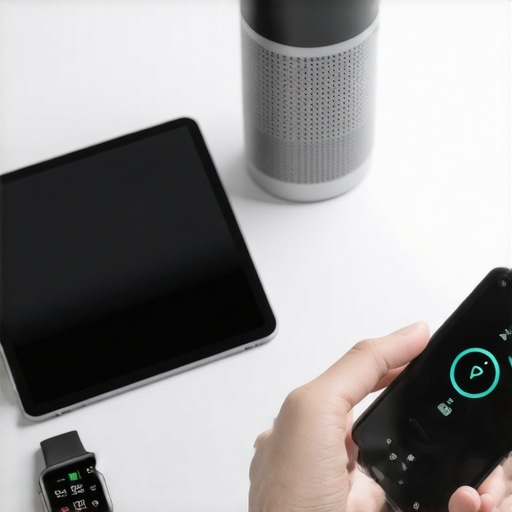
Have you ever found yourself frantically searching for your misplaced keys or worried about leaving your home unsecured when you’re away? That moment of panic when you realize you forgot to turn off the smart plug or lost track of your belongings can turn an ordinary day into a stressful ordeal. I remember those moments all too well—until I discovered the power of smart devices that seamlessly integrate into my daily routine, transforming chaos into convenience.
Why Smart Devices Are Changing How We Live
In 2024, the landscape of smart technology is more vibrant than ever. These devices are no longer just fancy gadgets; they’re becoming essential tools that help us stay connected, safe, and efficient—whether at home or on the go. The reason this matters now is simple: our lives are busier and more mobile than ever. According to a recent study, the average person spends over 6 hours a day on their digital devices, many of which can be optimized with smart technology to save time and reduce stress. If you’re like me, juggling work, family, travel, and personal projects, smart devices can be real game changers.
But here’s the thing: I made a rookie mistake early on. I bought a bunch of smart gadgets without a clear plan. They ended up cluttering my space and, honestly, sometimes made things more complicated. That experience taught me a valuable lesson—smart devices should simplify, not complicate. Now, I focus on choosing tools that truly add value, and I want to share those insights with you.
What We’ll Cover Today
In this guide, I’ll walk you through the best smart devices for 2024—those that are worth investing in and genuinely improve your everyday life. From smart trackers that keep your belongings safe, to smart speakers that turn your home into a voice-controlled haven, to smart plugs that automate your appliances—I’ll help you navigate the options. By the end, you’ll be equipped with practical knowledge to make smarter choices, whether you’re upgrading your home or enhancing your travel experience.
Is Smart Tech Overhyped or Truly Worth It?
This is a common concern I hear from friends and readers alike. Honestly, I used to think smart gadgets were just a luxury, until I realized how much time and energy they save me. My mistake was not researching enough before purchasing, which led to frustration. The key is selecting high-quality devices that fit your lifestyle—like the best smart trackers for on-the-go security or smart displays that simplify control of your home. Curious if these devices are right for you? Keep reading, and I’ll share my top picks and tips to help you avoid common pitfalls.
Ready to make your life smarter and smoother? Let’s dive into the top devices that are truly worth your investment in 2024.
Choose Your Smart Devices Carefully
Start by identifying the key areas of your life where smart technology can make a difference. For example, if you want to improve home security, focus on smart trackers and smart security cameras. I once bought a smart tracker without checking reviews, which resulted in frequent false alarms. Now, I always read user feedback and expert reviews before purchasing. Visit this guide to find the best options for safety and convenience.
Set Up Your Smart Speakers and Displays Effectively
Smart speakers like Amazon Echo or Google Nest are the backbone of a connected home. Place your smart speaker in a central location to maximize voice command reach. For example, I placed mine in the living room, which made controlling devices and getting info a breeze. Use these tips to optimize your smart display setup, ensuring seamless control over your smart home environment.
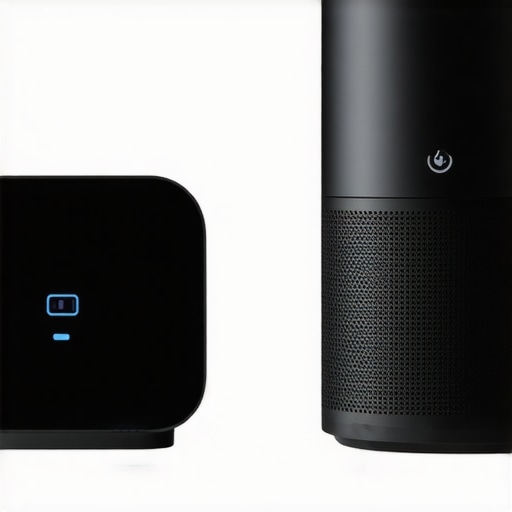
For travel or mobile use, smart displays with voice assistants can serve as portable control hubs. Position them where you’ll have easy access, like next to your bed or in your travel bag.
Implement Smart Plugs for Automation
Smart plugs are a game changer for automating appliances. Plug your coffee maker or lamp into a smart plug, and schedule or remotely control them via your smartphone. I once forgot to turn off my outdoor lights, but with a smart plug, I turned them off from work, saving energy. To get started, review top smart plugs for 2024 and select one that fits your needs.
Connect your smart plugs to a home automation system for more advanced routines, such as turning off all devices at once when you leave home.
Secure Your Belongings with Smart Trackers
Smart trackers are essential for valuables and on-the-go security. Attach a tracker to your keys, wallet, or backpack to locate them instantly. I once lost my backpack in a crowded café, but thanks to my smart tracker, I found it within minutes. Check out best trackers for 2024 to find the perfect fit for your lifestyle.
Integrate and Automate for a Smarter Routine
Once devices are set up, integrate them into a unified system using compatible apps or voice assistants. For instance, create routines that turn on lights and start your coffee when you say “Good morning.” I used to manually control each device, but automation has saved me time and effort. Use this guide for tips on optimizing your smart home connectivity and routines.
Remember, the key to smart device success is continuous tweaking and updates. Keep your devices’ firmware up to date and regularly review your routines to ensure everything works smoothly. With these steps, you’ll harness the full potential of your smart tech in 2024, making life more convenient, secure, and fun.
Many people jump into buying smart devices with high expectations but often get tripped up by misconceptions or overlook subtle pitfalls that can undermine their investment. Let’s dig deeper into some of the most overlooked nuances and mistakes that even seasoned tech enthusiasts sometimes make.
Why More Devices Can Mean More Complexity
One widespread myth is that adding more smart gadgets automatically makes your home smarter and more efficient. In reality, overloading your environment with devices can create a tangled web of apps, routines, and compatibility issues. Each device might require its own app, and when these don’t integrate smoothly, it leads to frustration rather than convenience. The key is to focus on interoperability; choosing devices that work seamlessly together through a central hub or ecosystem is essential. For example, many users assume all smart trackers or plugs will play nicely, but checking compatibility and ecosystem support, like Google Home or Amazon Alexa, can save hours of troubleshooting. For a comprehensive understanding, visit this guide.
Beware of the Hype Around Smart Speakers
Smart speakers are often marketed as the ultimate command centers, but many underestimate their limitations. They are most effective when positioned correctly and paired with reliable, high-quality displays or routines. For instance, placing a speaker in a corner or behind furniture can reduce voice recognition accuracy. Additionally, many users neglect privacy concerns—smart speakers are always listening, which can be a privacy risk if not configured properly. A common mistake is assuming that all voice commands are secure; in truth, sensitive data could be inadvertently recorded or accessed if security settings aren’t managed properly. To boost your smart speaker’s effectiveness and privacy, explore these tips.
Smart Trackers Might Not Be Foolproof
Many think that attaching a tracker to valuables guarantees their safety, but in practice, trackers have limitations. Signal interference, battery life, and device durability can all impact performance. For example, some trackers may not work well inside dense materials like backpacks or wallets. Moreover, relying solely on GPS can be misleading if the tracker’s coverage is patchy or if the device’s firmware isn’t regularly updated. The most sophisticated trackers combine GPS with Bluetooth or Wi-Fi triangulation, but even then, they are not invincible. It’s crucial to read expert reviews and user feedback before purchasing. For the best options, check out this comparison guide.
Are Smart Plugs Really Smarter Than Traditional Switches?
Smart plugs are often hailed as the easiest way to automate appliances, but many overlook the importance of security and energy management. Hackers can potentially exploit poorly secured smart plugs, especially if default passwords or outdated firmware are ignored. Additionally, some users don’t realize that smart plugs consume a small amount of power even when turned off, which can add up over time. Another common mistake is automating devices without considering safety; for example, controlling a space heater remotely without verifying its safety features. Always choose reputable brands and keep firmware updated to mitigate these risks. For top-rated options, visit this list.
Have you ever fallen into this trap? Let me know in the comments. The key to successful smart home integration is understanding these nuances and avoiding common pitfalls. With careful planning and ongoing management, your smart devices can truly deliver on their promise to simplify your life.
How do I keep my smart devices running smoothly over time?
Maintaining your smart devices is crucial to ensure they continue delivering value without unexpected hiccups. My go-to strategy involves a combination of regular software updates, hardware checks, and understanding the specific needs of each device type. For instance, I make it a point to check for firmware updates weekly, especially for smart trackers and plugs, which often receive security patches and feature enhancements. This practice not only boosts performance but also safeguards against vulnerabilities. To streamline this process, I recommend using dedicated automation tools like a comprehensive connectivity guide that walks you through integrating device updates into your routine.
Another tip is to perform periodic physical inspections. For example, I check my smart trackers for battery life and any physical damage every few months. Many trackers have a battery indicator, but I also set reminders to replace batteries proactively, preventing loss of function. For smart plugs and displays, I ensure cords and connections are intact, and I clean dust from ports to maintain optimal operation. This kind of proactive maintenance extends the lifespan of your devices and keeps them secure against potential malfunctions.
Controlling your ecosystem with a unified app or voice command system is also a game changer. I use routines that automatically reboot devices or reset connections if I notice performance lag, a habit that can prevent small glitches from turning into major issues. For detailed guidance on managing your smart ecosystem, check out this resource.
Looking ahead, I believe the trend will move toward smarter self-maintenance, where devices will automatically alert us of issues or even perform self-repair tasks. Already, some high-end models can diagnose connectivity problems and suggest fixes via firmware updates or app notifications. As this technology evolves, I predict we’ll see more intelligent maintenance features integrated directly into the device firmware, reducing the need for manual checks.
One practical tip to try right now is setting up scheduled reboots for your smart home hub or router. This simple action can resolve many connectivity issues that plague smart device performance. Use the routines available in your device’s management app or automation platform to automate this process, ensuring your system stays responsive and secure.
Remember, the key to long-term success is consistency. Regular updates, physical checks, and smart management routines will keep your smart devices functioning at their best, making your connected home truly effortless. Dive into the details today, and you’ll enjoy a seamless smart experience for years to come.
Lessons That Changed My Approach to Smart Tech
- Overloading is a trap: I used to think more devices meant better automation, but I learned that too many gadgets can create chaos. Focusing on interoperability within a trusted ecosystem simplifies everything and reduces frustration.
- Quality beats quantity: Cheap smart trackers or plugs often fail when I need them most. Investing in well-reviewed, reliable devices has saved me time and headaches, especially for security and automation routines.
- Position is everything: The placement of smart speakers and displays dramatically impacts their effectiveness. I found that central, unobstructed locations improve voice recognition and control accuracy, making my smart home truly responsive.
- Regular maintenance matters: Firmware updates and physical checks prolong device life and security. Scheduling weekly updates and quarterly inspections keeps my system running smoothly and safely.
My Go-To Resources for Smart Home Success
- Ultimate Guide to Smart Trackers: This resource helps me pick the best trackers for valuables, ensuring peace of mind on-the-go.
- Connectivity Tips for a Seamless Smart Home: It’s my go-to for troubleshooting integration issues and optimizing routines across my devices.
- Maximize Your Smart Speakers: I trust this guide to enhance voice command accuracy and privacy settings, making my smart speakers more effective and secure.
- Top Smart Plugs for 2024: This list helps me automate my appliances safely and efficiently, saving energy and time.
Your Journey Starts Now, Be Bold
The future of smart devices is brighter than ever, and now is the perfect time to embrace the potential of smarter living. With these insights and trusted resources, you’re ready to create a connected home that’s secure, efficient, and tailored to your lifestyle. Don’t wait—start transforming your space today and enjoy the benefits of a truly intelligent home that adapts to you.
What’s one smart device upgrade you’re planning to make next? Share your thoughts below and let’s grow smarter together!
I completely agree with the importance of choosing interoperability when investing in smart devices. I used to buy gadgets that promised to sync easily but ended up causing more headaches due to compatibility issues. Learning to focus on ecosystems like Google Home or Alexa has made my setup much more seamless. I’ve also found that positioning devices like smart speakers in central locations greatly improves voice recognition accuracy. Have any of you experienced challenges with automating routines across different brands? I’d love to hear how others have navigated compatibility hurdles or if they recommend any specific multi-device platforms that work well together.