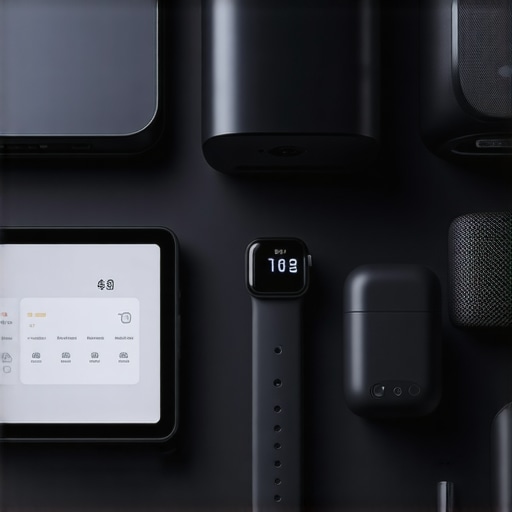
Have you ever felt overwhelmed standing in the electronics aisle, trying to figure out which smart device could truly simplify your life? I remember the first time I bought a smart plug. I was excited but quickly realized I had no idea how much I was actually saving on my energy bills — or if I was even using it correctly. That moment was a lightbulb for me: smart devices aren’t just gadgets; they’re potential game-changers, but only if you choose the right ones and set them up properly.
Why Smart Devices Are No Longer Optional in 2024
In 2024, smart devices have become more than just trendy toys. They’re essential tools for making our homes more efficient, safe, and connected — whether you’re working from home, traveling, or just trying to keep your household running smoothly. According to a recent study, nearly 80% of homeowners are now integrating some form of smart technology into their daily routines, and for good reason. These devices help reduce energy costs, improve security, and streamline tasks — all while giving us more time to focus on what truly matters.
But here’s the thing: with so many options available, it’s easy to get lost in the hype and end up with gadgets that don’t fit your needs. I’ve made that mistake early on, buying a bunch of smart devices without understanding how they work together or whether they truly solve my problems. That’s why I want to help you make smarter choices. Today, we’ll dive into the best smart devices to consider for your home and your on-the-go lifestyle — and how to avoid common pitfalls.
Is All the Hype About Smart Devices Justifiable?
One question I often hear is whether these devices are worth the investment. Believe me, I’ve been there — I bought a smart camera only to realize I wasn’t using it correctly or that my Wi-Fi couldn’t handle the bandwidth. Early on, I overlooked compatibility issues and ended up wasting money. The key is understanding what features matter most to you and how to set them up for maximum benefit. For instance, smart plugs can drastically reduce your energy bills if you schedule them properly, and smart trackers can give you peace of mind without breaking the bank. Want to learn more? Check out this guide on smart plugs.
So, if you’ve ever felt skeptical or overwhelmed by the array of options, don’t worry — I’ve been there too. Together, we’ll explore the top smart devices for 2024 that truly make a difference, along with tips to choose and set them up for your unique needs. Ready to transform your living space and on-the-go experience? Let’s get started!
Start Small with the Essentials
When I first decided to upgrade my home with smart devices, I started with a smart plug. I chose one that was compatible with my existing Wi-Fi and voice assistant, and I read the setup instructions carefully. Instead of just plugging it in and hoping for the best, I scheduled it to turn off my coffee maker at night and turn on the lights in the morning. This small step showed me how automation could truly save time and energy.
Choose Compatible Devices to Avoid Frustration
Before buying any gadget, check its compatibility with your ecosystem. For example, if you use Alexa, look for devices that are Alexa-compatible. I once bought a smart display that was incompatible with my smart speaker, which made control cumbersome. To prevent this, I visited this guide to understand which devices work best together.
Link Devices Through a Unified App
Most smart devices can be controlled via their dedicated apps, but linking them through a central app simplifies management. I recommend setting up your devices through a hub app like SmartThings or the native app recommended by the manufacturer. During my setup, I used the app to create scenes, like turning off all lights and locking doors with one command. This streamlined my control and reduced confusion.
Customize Settings for Your Routine
Fine-tuning device settings maximizes their benefits. For instance, I scheduled my smart plugs to turn off during peak electricity hours, saving on bills. I also adjusted the sensitivity of my smart trackers to avoid false alarms. Spend time exploring these options—most apps guide you through customization. Remember to review privacy policies at this link before sharing data.
Test and Adjust Regularly
After initial setup, test your devices in real scenarios. I once set my smart lights to turn on at sunset, but the timing was off because of daylight savings. I had to go back and adjust the schedule. Regular testing ensures everything works smoothly and helps you discover new automation possibilities, like syncing devices for events or routines.
Ensure Network Stability and Security
Your Wi-Fi is the backbone of your smart home. I learned this the hard way when my devices kept disconnecting during a party. Upgrading my router and setting a separate network for IoT devices improved stability. Also, change default passwords and keep firmware updated to protect your privacy. For more on securing your smart home, visit privacy policy.
Expand Gradually Based on Needs
After mastering the basics, consider adding more advanced devices like smart thermostats or security cameras. I personally added a smart tracker for my pet, which gave me peace of mind. Take your time to assess what will genuinely improve your daily life rather than just collecting gadgets. Use this guide for inspiration.
Leverage Support and Community Resources
If you encounter issues, don’t hesitate to reach out to customer support or online forums. I found that consulting the manufacturer’s FAQ or community groups helped me troubleshoot and discover new automation ideas. Remember, setting up smart devices is an ongoing process that evolves with your habits and technology updates.
Many people assume that simply installing smart devices like speakers, displays, or trackers automatically makes their home smarter and safer. But in reality, there are nuanced mistakes that can diminish their effectiveness or even compromise your privacy. Let’s dig deeper into some of these misconceptions and traps — so you can truly leverage these technologies for maximum benefit.
Why believing all devices work seamlessly together is a mistake
It’s a common myth that any smart device will integrate effortlessly into your existing ecosystem. In truth, compatibility issues are a major headache. For example, a smart display might not work smoothly with a certain brand of smart plugs or trackers, leading to frustration or incomplete automation. To avoid this, always check the compatibility and ecosystem support before purchasing. A good rule of thumb is to stick to one ecosystem (like Google Home or Amazon Alexa) for seamless integration. For detailed compatibility insights, explore this connectivity guide.
The hidden trap of over-reliance on automation
Many enthusiasts fall into the trap of over-automating their homes without considering real-world scenarios. For instance, setting routines that turn off all devices at midnight might seem efficient, but if you’re still awake or expecting guests, it can be inconvenient or even unsafe. Automation works best when tailored carefully to your habits and routines—so test and adjust settings regularly. Remember, automation should serve you, not complicate your life. For practical tips, see this article on home automation.
Beware of neglecting security and privacy considerations
It’s easy to get caught up in the convenience of smart devices and overlook the security risks. Default passwords, outdated firmware, and unsecured networks can turn your smart home into a target for hackers. Always change default passwords and keep firmware up-to-date. Use separate networks for IoT devices and your personal computers to minimize risk. As noted by cybersecurity experts, neglecting these steps is a major vulnerability. For more on protecting your smart home, visit our privacy policy.
Is more always better when it comes to smart gadgets?
Another misconception is that adding more devices automatically increases your home’s intelligence. But in reality, excess gadgets without proper management can lead to chaos and confusion. Focus on quality over quantity. Select devices that genuinely improve your daily routine and ensure they work well together. The right combination of a few well-chosen devices can outperform a cluttered collection of gadgets. For inspiration, refer to this curated list.
Have you ever fallen into this trap? Let me know in the comments. The key is to approach smart home tech with a strategic mindset, avoiding common pitfalls, and customizing your setup for your unique needs.
How do I maintain my smart devices over time?
Maintaining your smart devices requires a combination of regular updates, physical upkeep, and thoughtful management. I personally rely on a few key tools and routines to ensure my ecosystem remains seamless and secure. First, I use a network monitoring tool like Fing, which helps me identify any unusual activity or disconnections on my Wi-Fi network. Keeping firmware updated is critical; I set reminders to check for updates weekly, as manufacturers often release patches that improve security and stability. Additionally, I utilize a dedicated smart home hub app, such as SmartThings, which consolidates device management and provides automation controls, reducing the risk of overlooked settings or outdated configurations.
Another essential aspect is physical maintenance. Dust, humidity, and temperature fluctuations can affect device longevity. I regularly clean my smart displays and trackers with a soft, lint-free cloth and ensure my smart plugs and sensors are free from debris or corrosion. For security, I change passwords on my smart home accounts every few months and enable two-factor authentication where available, following best practices outlined by cybersecurity experts. This proactive approach minimizes vulnerabilities and keeps my setup resilient against threats.
Looking ahead, I believe the trend toward AI-driven maintenance will grow. Future smart systems might automatically diagnose issues and suggest repairs or updates proactively, reducing manual oversight. As these technologies develop, integrating predictive analytics into your home ecosystem will become more accessible, further simplifying long-term device management.
Try Using Automated Firmware Checks
One advanced tip I recommend is setting up automated firmware checks for your devices. Many modern smart devices support remote update notifications or can be integrated with automation platforms to alert you when updates are available. By leveraging routines in apps like smart connectivity guides, you can schedule automatic updates during off-peak hours, ensuring your devices are always protected and functioning optimally. This small but powerful step reduces the risk of security breaches and device failures, saving you time and frustration in the long run. Make this a priority today and enjoy a smarter, more reliable smart home environment!
The Hardest Lesson I Learned About Smart Devices
Early in my smart home journey, I believed more gadgets meant a smarter home. I filled every corner with devices, thinking that quantity equated to efficiency. But I quickly realized that chaos and confusion followed. The real lesson was that quality and compatibility matter far more than just piling on the latest tech. Simplifying my ecosystem and focusing on interoperability transformed my experience.
A Mistake That Cost Me Time and Money
I once purchased a smart display incompatible with my voice assistant, which led to frustration and wasted resources. It taught me to always check ecosystem support before buying. Now, I rely on curated compatibility guides like this connectivity guide to make smarter choices and avoid costly mistakes.
The Power of Regular Testing and Adjustment
Automations might seem perfect on paper, but real-world testing reveals their true value. I’ve had routines that didn’t sync with daylight savings or my changing habits. The key is to test, tweak, and adapt your setup regularly. This ongoing process keeps your smart devices working seamlessly and truly serving your needs.
How I Learned to Prioritize Privacy
Overlooking security can turn convenience into vulnerability. Changing default passwords, updating firmware, and segmenting networks became my priorities. These simple steps protect my data and give me peace of mind, proving that security is an ongoing commitment, not a one-time setup.