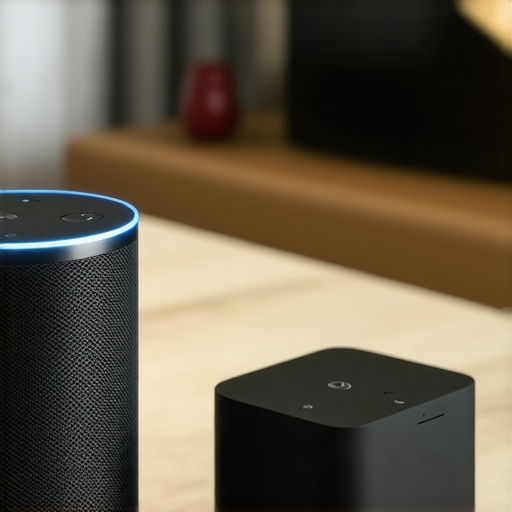
Ever packed your smart speaker or display in a rush, only to realize it’s completely useless when you need it most? I’ve been there. One trip, I tossed a smart device into my bag without thinking. Turns out, I’d forgotten how incompatible some gadgets are with different environments or how much I’d rely on them to make life easier. It was a frustrating lesson — and I knew I wasn’t alone. Many of us want the seamless convenience that smart devices promise, but end up battling with setup issues, compatibility snags, or simply the wrong tech for our needs.
Why Smart Devices Matter More Than Ever in 2024
In 2024, smart gadgets aren’t just fancy extras — they’re essentials. Whether you’re managing your home or staying connected on the go, these devices help you save time, boost security, and create a more comfortable environment. But here’s the catch: not all smart tech is created equal, and choosing the right devices can feel overwhelming. I’ve made my fair share of mistakes early on, like buying a smart speaker that was great for home but useless when I traveled, or underestimating how important privacy features are — more on that later. According to a recent study by Statista, the global smart home market is expected to reach over $135 billion in 2024, highlighting how vital these devices are becoming in our daily routines.
So, how do you navigate this crowded marketplace without wasting money or ending up frustrated? That’s exactly what I’ll help you with. In this guide, you’ll discover the best smart speakers and displays for both your travels and your home, tailored to real-world needs. No hype, just honest insights and practical tips to ensure your smart devices actually make your life easier, not harder.
Is Smart Tech Still Overhyped or Worth the Investment?
Early in my journey, I bought a smart display that promised to control everything in my house — only to find out it was incompatible with some of my other gadgets. It was a mistake I learned from: always check compatibility and prioritize privacy features. If you’re skeptical about whether these devices are worth the hype, you’re not alone. Many folks worry about privacy or whether they’re just throwing money at gadgets that won’t last. Trust me, I’ve been there. But with the right knowledge, you can sidestep these pitfalls and find tech that genuinely enhances your lifestyle. Curious if your current setup is missing out? Feel free to reach out through our contact page.
Now, let’s dive into how to pick the best smart speakers, displays, trackers, and plugs so you’re ready for whatever 2024 throws your way. We’ll look at what features really matter, how to avoid common mistakes, and what devices will serve you best whether you’re at home or on the go. Ready to get smarter?
Choose the Right Smart Speakers and Displays for Your Needs
Start by identifying what you want your smart device to do. If you want a voice-controlled hub for your entire home, opt for a popular smart speaker like the Amazon Echo or Google Nest Audio. For travel, a compact smart display with a good camera can help you stay connected. Remember, compatibility is key—check if these devices work seamlessly with your existing gadgets by reviewing their specifications or consulting trusted sources like this guide.
Assess Compatibility Before Making a Purchase
To avoid ending up with a device that doesn’t work well with your setup, verify compatibility early. Think of it as buying a universal remote—if it doesn’t control your TV, it’s useless. For example, if you use Apple HomeKit, select devices explicitly compatible with it. If you’re unsure, reach out via the contact page. I once bought a smart display that promised to control all my appliances, only to realize it didn’t support my smart plugs. Learning from that, I now double-check compatibility lists and focus on devices with broad ecosystem support.
Prioritize Privacy and Security Features
Smart devices are convenient but can pose privacy risks. Always review a device’s privacy policies—visit this page to understand how your data is handled. For instance, I once overlooked the privacy settings on a smart speaker, which led to unintended voice recordings. Now, I disable unnecessary microphones and review privacy options regularly. Think of privacy features as your security guard—necessary to keep your information safe.
Configure and Test Your Devices Systematically
Once you’ve purchased the right devices, set them up step-by-step. For example, start with your main smart speaker or display, then add smart plugs and trackers. Use dedicated apps to customize routines—like turning on lights or playing music when you arrive home. I recommend testing each device individually before creating complex automations. This approach helps you catch issues early—like a smart plug not responding—saving you time later. For setup tips, visit this comprehensive guide.
Automate Your Home for Maximum Efficiency
Leverage smart plugs to control appliances without complex wiring—think of them as power strips with superpowers. Program routines to turn devices on or off based on time or location. For on-the-go control, use GPS trackers to monitor your key belongings—like your keys or wallet. I once set my smart plug to turn off my coffee maker at bedtime automatically, saving energy and preventing accidents. To explore the best options, check out this recommended list.
Regularly Update Firmware and Review Settings
Keep your devices secure by installing updates promptly. Set reminders to check for firmware releases—most devices notify you automatically. Periodically review privacy and automation settings to ensure they still meet your needs. I learned the hard way that outdated firmware can cause glitches, so I now schedule monthly check-ins. This proactive approach ensures your smart ecosystem runs smoothly and securely.
Many enthusiasts jump into the world of smart gadgets with high hopes, but there are some sneaky misconceptions and advanced traps that can trip you up. Let’s dig deeper into what most people get wrong about smart speakers, displays, trackers, and plugs — and how to avoid costly mistakes.
Why More Features Can Mean Less Security — Don’t Fall for the Hype
One common myth is that devices with more features are automatically better. In reality, adding capabilities often increases the attack surface, making your setup more vulnerable. For example, a smart display with a camera, microphone, and voice assistant may seem convenient, but it can also expose your privacy if not properly secured. Many users overlook the importance of disabling unnecessary microphones or reviewing privacy policies. According to cybersecurity expert Bruce Schneier, security is about minimizing attack vectors, not maximizing features. Always scrutinize what you actually need and disable functions that could compromise your privacy, which you can review more thoroughly on this privacy page.
Beware of Compatibility Myths That Cost You Time and Money
Everyone says compatibility is straightforward, but in practice, it’s a nuanced issue. A device marketed as compatible with Alexa, Google, or Apple might not work seamlessly with your existing ecosystem due to firmware differences, regional restrictions, or outdated software. For instance, I once bought a smart plug that was supposed to work with my smart speaker, only to find out it didn’t support local control — forcing me to rely on cloud services, which can introduce lag or outages. It’s critical to verify compatibility through community feedback or official lists, especially on this detailed guide. Don’t assume all devices play nicely; test before committing.
Advanced Question: How Do You Balance Automation Efficiency with Privacy?
This is a tricky one. Automations can make your life easier, but they often require sharing data and granting access to multiple devices. For example, setting routines based on location or time involves constant data exchange, which can be exploited if not carefully managed. Experts recommend segmenting your smart ecosystem and limiting permissions — for instance, using separate networks or dedicated accounts. Regularly reviewing device permissions and firmware updates is also essential. Studies show that poorly managed automations increase security risks, so always ask: “Does this automation justify the privacy trade-off?” For deeper insights, check out this comprehensive connectivity guide. Have you ever fallen into this trap? Let me know in the comments.
In conclusion, understanding these nuanced pitfalls and myths can save you from frustration and security breaches. Smart devices are powerful tools, but only if you approach them with knowledge and caution. Keep learning, stay vigilant, and your smart setup will serve you well for years to come.
Once you’ve set up your smart gadgets, the journey doesn’t end there. Regular maintenance and the right tools are essential to keep everything functioning seamlessly over time. From firmware updates to automation management, staying proactive ensures your smart ecosystem remains reliable and secure. In this article, I’ll share the exact tools and methods I personally use to keep my smart devices in top shape, along with insights into where this trend is heading.
How do I maintain my smart devices over time?
Consistency is key. I rely on a combination of automated firmware updates, diagnostic apps, and routine checks. Many smart devices support automatic updates—make sure to enable this feature in the device settings or the companion app. This minimizes security vulnerabilities and improves performance. I also schedule monthly reviews using tools like SmartThings or Home Assistant — open-source platforms that allow me to monitor device status, check for firmware updates, and troubleshoot issues remotely. For example, I set up a routine in this guide to remind me to verify device health and update settings periodically.
To streamline long-term maintenance, I use IFTTT to automate routine checks. For instance, I created an automation that sends me a weekly report of device statuses, alerting me if any need attention. This proactive approach prevents unexpected failures and keeps my smart home running smoothly. As technology advances, AI-driven management tools are poised to become more prevalent, offering predictive maintenance and auto-repair features, reducing manual oversight.
What tools do I recommend for ongoing device health?
My go-to tool is smart plugs with energy monitoring capabilities. They allow me to track power usage and identify devices that are behaving abnormally or consuming more energy than usual—an early sign of malfunction. Additionally, I use smart trackers to monitor the location and status of portable devices, ensuring they’re working correctly and haven’t been misplaced. These trackers also provide peace of mind when traveling, ensuring all devices are accounted for and functioning properly.
Another critical aspect is keeping firmware and software up-to-date. I use dedicated apps like Home Assistant or manufacturer-specific dashboards to manage updates across my device ecosystem. Setting up automatic update routines where possible saves time and reduces the risk of security breaches. Moreover, regularly reviewing device permissions and privacy settings is crucial—visit this privacy policy page to stay informed about data management practices.
Where is this trend heading?
Looking ahead, I predict that AI-powered diagnostics will become standard in smart devices. These systems will not only alert you to issues but also suggest fixes or even perform self-repair routines. Integration of machine learning will enable predictive maintenance, anticipating problems before they occur, thus drastically reducing downtime. As devices become more intelligent, managing their health will become more automated, freeing us from manual checks and troubleshooting.
Start implementing basic maintenance routines today—like setting up firmware auto-updates and using energy monitors—and you’ll be surprised how much longer your devices last and how much more reliable your smart home becomes. Don’t forget to try out automation workflows that proactively monitor device health—this is a game-changer in long-term management. For more detailed tips, explore this comprehensive connectivity guide.
What I Wish I Knew Before Diving Into Smart Tech
One of the toughest lessons I learned was the importance of verifying compatibility before making a purchase. I once bought a smart display that didn’t support my existing smart plugs, which led to frustration and wasted money. Now, I always double-check ecosystem support and community reviews before committing. Another insight is that more features don’t always mean better security; sometimes, less is more. Disabling unnecessary microphones or cameras has saved me from potential privacy breaches. Lastly, automations are powerful but can become security risks if not managed carefully. Segment your smart ecosystem and review permissions regularly to keep your data safe.
My Go-To Arsenal for Smart Living in 2024
For reliable automation, I trust smart plugs with energy monitoring because they help me keep energy in check and troubleshoot issues early. When it comes to managing my entire setup, Home Assistant offers unparalleled control and customization. For travel and on-the-go security, smart GPS trackers provide peace of mind by ensuring my devices and belongings are always accounted for. Lastly, I rely on a detailed privacy policy review found at this page to stay informed about how my data is handled, maintaining trust and security in my smart ecosystem.
Your Next Move in the World of Smart Devices
Don’t wait to unlock the true potential of your smart devices in 2024. Start small, verify compatibility, and prioritize privacy from day one. The future of smart living is bright, but it requires proactive management and continuous learning. Take the first step today—your smarter, more secure home awaits. What’s the one smart device upgrade you’re most excited about trying this year? Share your thoughts below and join the conversation!
This article resonates strongly with my recent experience traveling with a smart speaker. I initially assumed that any device would work seamlessly abroad, but I ran into compatibility issues with regional firmware restrictions and differing Wi-Fi standards. It was a real wake-up call about the importance of thorough research before packing. I now make it a point to double-check compatibility and even test devices in a similar environment locally whenever possible. It made me wonder how many people rely on their smart tech while traveling and end up facing frustrations due to overlooked details like regional support or privacy restrictions. Have others found effective ways to ensure their devices work smoothly on the go, especially across different countries? Also, I’d love to hear tips on managing privacy concerns in unfamiliar environments – any recommendations? Thanks for sharing such a detailed guide; it’s a great starting point for understanding the nuances of smart device compatibility and security on the move.