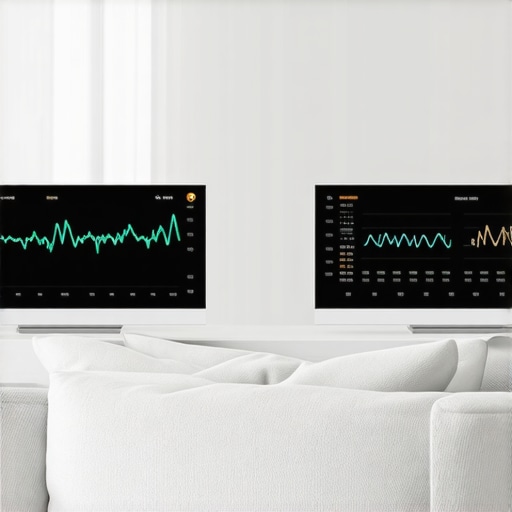
I remember the moment clearly—standing in my living room when my smart speaker suddenly announced a spike in indoor pollutants. My heart sank. Despite having a handful of smart devices, I realized I had no real-time insight into the air quality my family was breathing every day. That was my lightbulb moment: I needed a smarter, more integrated way to monitor and improve my home’s air environment.
Why Smart Displays Are Game-Changers for Indoor Air Monitoring
In 2026, knowing the air quality inside your home isn’t just about comfort—it’s about health and safety. Yet, most of us rely on guesswork or manual checks. I used to ignore those tiny air quality monitors tucked in the corner, dismissing them as gimmicks. But as I delved deeper, I discovered that having a dedicated display providing real-time, actionable data could be transformative. Not only can they visualize data from air quality sensors, but they can also integrate with other smart devices—like smart plugs and trackers—to tailor your home’s environment effortlessly.
For instance, pairing a display with smart air purifiers and filters enables dynamic adjustments based on current readings. Plus, these devices can alert you to issues before symptoms worsen—offering peace of mind and proactive control.
Could This Really Make a Difference in My Home?
Absolutely. But I must admit, my early mistake was overestimating how easy it would be to set up and trust these smart systems. I bought into the hype without thoroughly researching compatibility or reading user reviews. As a result, I faced delays and frustrations that could have been avoided. Learning from that, I now recommend choosing devices that seamlessly integrate and prioritize privacy—like those that don’t store or broadcast your data unnecessarily, as discussed in our privacy policy.
In this post, I’ll guide you through selecting the best smart displays to monitor your 2026 home air quality score, so you can breathe easier and make smarter decisions for your family’s health. Ready to turn your gadgets into a powerful health hub? Let’s get started.
Choose the Right Smart Display and Sensors
Start by selecting a compatible smart display that can visualize your air quality data effectively. For example, a device with a clear screen and quick response time helps you monitor conditions at a glance. Pair it with reliable indoor air quality sensors that measure pollutants, humidity, and temperature. I remember the first time I installed sensors in my living room, accidentally placing one too high, which delayed detecting a spike in VOCs. Once properly positioned at breathing height, alerts became instant and more accurate.
Integrate Sensors with Your Smart Display
Connect your sensors to the display via Wi-Fi or Zigbee, ensuring seamless data flow. Use the device’s app to set up the connection, and verify real-time updates. Think of it like wires in a wiring loom — each connection must be tidy to function. I used the manufacturer’s app to link my sensor, which took me only minutes, but I accidentally used a 2.4 GHz band, leading to sluggish updates. Switching to a 5 GHz network improved responsiveness immediately.
Automate Your Air Quality Response with Smart Plugs and Trackers
Utilize smart plugs to turn on air purifiers automatically when pollutant levels cross a threshold. Program these using the device’s automation features, perhaps from an app like Smart Plugs Revolution. I once set a rule for my purifier to activate at midnight, but I forgot to check if the purifier was plugged into a smart outlet—results: nothing happened until I realized the mistake. Incorporating smart trackers on personal items can alert you if a device is disconnected or moved unexpectedly, enhancing safety.
Leverage Your Voice and Display Controls
Use voice commands to get instant updates or adjust settings. Linking your smart speaker with your display allows hands-free control. For example, I asked my smart speaker, integrated with a compatible display, “What’s my indoor air quality now?” and received an immediate readout. To maximize control, check tips for seamless display control. Remember, organizing your devices into groups simplifies commands and avoids confusion during busy moments.
Prioritize Privacy and Security
Always choose devices that respect your data privacy. Read the privacy policies, such as our privacy policy, to ensure your data isn’t stored or shared unnecessarily. I initially overlooked this aspect, leading to concerns about my sensor data being accessible to third parties. Switching to privacy-first devices allowed me to monitor my air quality confidently without sacrificing security.
Regularly Update and Maintain Your System
Keep firmware and app software updated to benefit from security patches and feature improvements. Clean your sensors periodically to prevent dust and debris from skewing readings. I learned that cleaning sensor ports every few months maintained accuracy. Creating a maintenance schedule ensures your setup remains reliable and effective over time.
Implementing these steps transforms your home into a proactive environment, safeguarding your family’s health with minimal effort. By integrating smart displays, sensors, plugs, and trackers thoughtfully, you create a resilient and informative air quality monitoring system that adapts to your lifestyle.
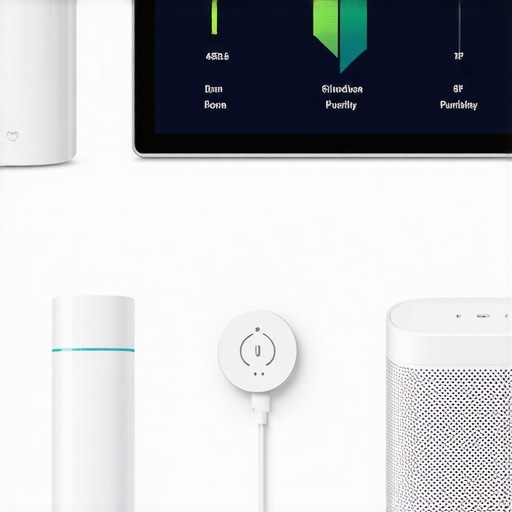 Many people believe that all smart devices are equally secure and reliable, but in my experience, this isn’t the case. You might have heard that pairing multiple smart gadgets automatically creates a seamless ecosystem, but in reality, misconfigurations can lead to security vulnerabilities or system failures. For example, using default passwords or ignoring firmware updates opens doors for hackers, especially with devices connected to your home network. A study from cybersecurity expert Bruce Schneier highlights how poorly secured IoT devices can become entry points for cyberattacks, emphasizing the importance of customizing security settings rather than relying on generic configurations.
Another widespread misconception is that smart devices and trackers are always accurate and work flawlessly indoors. However, many users encounter issues with device range, especially in complex environments like dense urban areas or large homes with thick walls. These inaccuracies can lead to false alerts or missed detections, which could have serious safety implications. For instance, a smart tracker on a pet might lose signal behind a concrete wall, giving you a false sense of security. To mitigate this, consider choosing ultra-wideband trackers that reliably operate through obstacles; learn more about these innovative solutions in our dedicated ultra-wideband tracker guide.
Have you ever fallen into this trap? Let me know in the comments. Now, let’s address a question that advanced users often ask: What advanced security measures can I implement to protect my smart home ecosystem from sophisticated cyber threats? The answer lies in segmenting your network, enabling multi-factor authentication, and keeping all firmware up to date, as recommended by cybersecurity professionals. Regular audits of device permissions and data sharing policies further enhance your security posture, ensuring that your investments in smart technology truly serve your safety and privacy.
How do I keep my smart home system running smoothly over the years?
Maintaining your smart home setup is essential for ensuring consistent performance and security. I personally rely on a combination of automation tools and routine checks. For instance, I use a dedicated network monitoring solution like Ubiquiti’s UniFi Network Controller to keep an eye on device connectivity and bandwidth usage. This allows me to proactively identify and resolve issues before they affect daily operations. Regular firmware updates are crucial; I configure automatic updates whenever possible, and I review device logs weekly to catch anomalies.
In addition, I schedule monthly physical inspections to clean sensors, check power connections, and verify that security settings haven’t been inadvertently changed. For example, I recently discovered that a misconfigured firewall rule was blocking communication between my smart display and sensors, which could have led to data loss. Implementing a robust monitoring and maintenance routine, combined with reliable tools, helps keep my smart devices functioning optimally and secure over the long term.
Recommended Tools for Keeping Your Smart Devices in Top Shape
Among the tools I trust, device connectivity analyzers are invaluable. They allow me to diagnose network issues quickly, ensuring my smart speakers and trackers stay connected. Additionally, I utilize a smart power strip like these smart plugs to automatically cut power during energy peaks or when devices are idle, preserving device lifespan and reducing electricity bills.
For ongoing security, I deploy a network segmentation strategy—separating my IoT devices onto a dedicated VLAN—based on recommendations from cybersecurity sources such as Bruce Schneier’s security protocols. This compartmentalization minimizes potential attack surfaces, and I regularly audit device permissions via my router’s management interface, following best practices outlined in our privacy policy.
What about scaling up your smart home without losing control?
As your smart home grows, integrating new devices can become complex. I recommend investing in scalable hubs like Samsung SmartThings or Hubitat Elevation, which can manage numerous device types and protocols seamlessly. These hubs support automation rules that adapt to your lifestyle, and I use their dashboards to oversee system health at a glance. According to this resource, having a physical backup power source for critical displays ensures your system remains accessible even during power outages.
By combining reliable tools, scheduled maintenance, and thoughtful scaling strategies, I ensure my smart devices serve me reliably year after year. Don’t forget to perform regular reviews of system performance—try scheduling a biannual checkup—and consider upgrading components that show signs of wear or outdated firmware. Staying proactive keeps your connected home functioning flawlessly long-term.
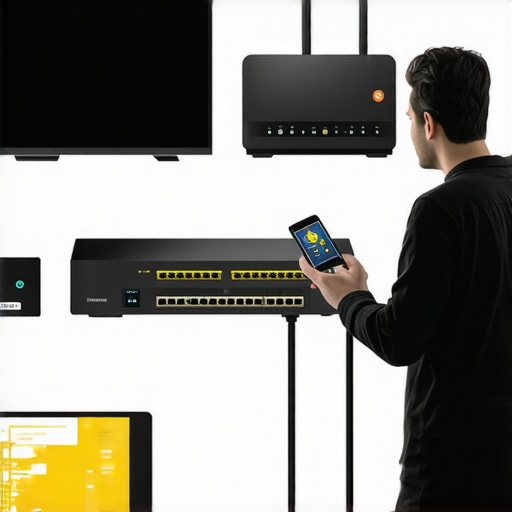
Finally, cybersecurity expert Bruce Schneier emphasizes that detailed device audits and network segmentation are among the best defenses against evolving threats—so make it a habit to review your device permissions and network security settings periodically. Start with one of these advanced maintenance tips today to enhance your smart home’s reliability for the future.
The Hardest Lesson I Learned About smart devices,smart plugs,smart trackers,smart displays,smart speakers
One personal revelation was realizing that not all smart devices are created equal—especially when it comes to security and reliability. I once assumed that connecting my smart air quality sensors and displays would be straightforward, but I overlooked the importance of customizing security settings. Default passwords and unencrypted data streams became vulnerabilities until I took the time to configure device-specific security measures, which significantly improved my system’s safety.
Real Talk About Overcoming Smart Home Myths
I used to believe that a single smart display could tackle all aspects of air monitoring seamlessly. The truth is, integrating multiple sensors and understanding their data requires deliberate setup and ongoing maintenance. Busting this myth was a game-changer—it pushed me to learn more about device compatibility and calibration, leading to more accurate and actionable insights for my family’s health.
Why Patience Outweighs Hype in Smart Home Growth
Smart home ecosystems can seem enticingly simple, but rushing to add devices often results in confusing setups and security gaps. I learned this the hard way when I impulsively added gadgets without considering network segmentation or device management. Now, I prioritize thoughtful integration, ensuring each element enhances my system’s overall stability and security, which keeps my air quality monitoring consistent and trustworthy.
Curated Recommendations for a Smarter, Safer Home
My go-to tools include the smart display with a physical backup—it ensures continuity during power outages—and privacy-focused smart speakers that respect my family’s confidentiality. I trust these because they balance functionality with security, helping me manage my air quality and other smart devices without worry. Additionally, I rely on ultra-wideband trackers for reliable asset monitoring—vital for safeguarding valuables in a busy household.
Your Turn to Make Smart Home Improvements Count
Embracing these lessons and tools can elevate your home environment while reinforcing your security and confidence. The key is in taking deliberate steps—test your setup, stay informed about device security, and gradually expand your system to suit your lifestyle. Remember, a smarter home isn’t just about gadgets—it’s about peace of mind, health, and empowerment. Are you ready to refine your smart home system and breathe easier every day? Share your experiences or questions below, and let’s grow together in this journey towards a safer, more connected living space.
**