![Stop Losing Bags: 3 Global Smart Trackers With Zero Fees [2026]](https://smartdevices.techgearshowcase.com/wp-content/uploads/2026/02/Stop-Losing-Bags-3-Global-Smart-Trackers-With-Zero-Fees-2026.jpeg)
I remember the day I almost lost my luggage during a red-eye flight. My heart sank as I watched the baggage carousel spin without my bag in sight, and a wave of frustration washed over me. It was a wake-up call—a harsh reminder of how vulnerable our belongings are, especially when traveling or handling important valuables. That moment sparked my obsession with smart trackers, and I began exploring ways to never have this panic again.
Why Tracking Your Valuables Matters More Than Ever
In today’s fast-paced world, misplacing or losing essentials like bags, gadgets, or even pets can turn a good day into a nightmare within seconds. According to a recent study, over 1.4 million bags are misplaced or stolen worldwide each year, costing travelers thousands in compensation and emotional distress. As someone who’s been there, I can tell you that losing things you care about isn’t just inconvenient; it’s downright stressful. That’s why investing in reliable, smart tracking technology is no longer just a luxury, but a necessity.
Now, I want to help you navigate this landscape. With the rise of advanced smart trackers offering zero fees and global coverage, you can keep tabs on your valuables without ongoing costs. Today, I’ll introduce you to the top three trackers I’ve personally tested, which promise peace of mind wherever you go.
Could the Hype Be Overblown? Let’s Find Out
Early on, I made a common mistake—thinking that all trackers were pretty much the same. I bought cheap, generic models that promised much but delivered little, often losing connection or draining batteries fast. It took a few costly mistakes and some research to realize that paying a bit more for quality trackers with zero fees makes all the difference. Remember, don’t fall for the trap of believing that the most advertised model is always the best. For in-depth reviews, check out this comprehensive guide on smart trackers.
So, have you experienced that sinking feeling when your bag or device goes missing at a crucial moment? If yes, stay tuned—I’ll help you find the perfect solution to keep your valuables safe, no matter where life takes you.
Choose the Right Smart Trackers for Your Needs
Start by assessing what you want to protect—bags, keys, pets, or valuable gadgets. I once tried four different trackers at once on my travel backpack, but only one maintained a strong connection for over a year. Refer to the top smart trackers for 2024 to align your choice with your specific needs. Look for battery life, global coverage, and app usability.
Compare Battery Span and Signal Range
Imagine your tracker as a loyal dog that alerts you when your keys are escaping; if it runs out of energy quickly or loses signal easily, it’s useless. I once bought a tracker claiming 6-month battery life, but after a month, the battery was dead; I learned to check real-world battery longevity through user reviews. Opt for trackers with about a year of battery life; look for ones with replaceable batteries to avoid constant charging.
Prepare Your Valuables for Tracking
Secure the tracker onto your item correctly—embed it in the lining of your bag or attach it to a keyring with a sturdy loop. I once neglected to double-clip my tracker to my bag straps before a trip, resulting in a lost item during transit. Use dedicated cases or clips designed for trackers to prevent accidental detachment. For gadgets like laptops or precious items, consider hidden integration within discreet compartments.
Use Multiple-Location Strategies
Don’t rely solely on a single tracker. Combine it with smart home devices like smart displays or speakers to get updates on your valuables when you’re near your home. For instance, configure your smart display to show status updates from your trackers, which I did to keep tabs on my luggage during layovers, often receiving timely alerts despite crowded airports.
Set Up Alerts and Notifications
Configure your app to send immediate alerts when your valuables move beyond predefined zones. I once accidentally left my suitcase in a café, but the tracker notified me instantly, allowing me to retrieve it before anyone else noticed. Use geofencing features to create safe zones—so you’re alerted if your bag strays from your hotel room or car. Test these settings thoroughly to avoid false alarms or missed notifications.
Integrate with Your Smart Home System
Enhance your setup by linking trackers with smart speakers or hubs for voice commands or automated routines. For example, you can say, “Find my keys,” and your smart speaker prompts your tracker to activate a sound. I linked my tracker to a smart speaker and set routines for automatic alerts when I leave my house without my wallet. Visit the smart speakers guide to optimize this integration.
Monitor and Maintain for Continuous Security
Regularly check your tracker’s battery health and update its firmware for optimal performance. I schedule monthly checks, ensuring I never get caught off guard. Keep spare batteries on hand and periodically test alert systems. Mark your calendar for firmware updates, accessible via the manufacturer’s app, to benefit from the latest features and security patches.
Smart Devices Are Not One-Size-Fits-All
Many believe that every smart device, whether a smart speaker, gadget, or tracker, works seamlessly out of the box. However, this isn’t always true. The nuances lie in compatibility and setup processes. I’ve seen users purchase a smart plug expecting instant automation, only to realize it doesn’t integrate well with their existing ecosystem. Remember, cross-compatibility issues can lead to significant frustration if overlooked while planning your smart home upgrade.
Beware of Overestimating Remote Control Range
It’s common to think that smart trackers or switches can be monitored from anywhere in the world without hiccups. The reality? Many rely on Wi-Fi strength, Bluetooth range, or cellular coverage, which varies greatly depending on your environment. The top smart trackers offer impressive real-world performance, but understanding their limitations prevents unexpected blind spots. An advanced mistake is assuming that a tracker with a 100-meter range will suffice for all scenarios—often, urban interference reduces effective range drastically.
Can AI Enhance Your Smart Home Security Without Compromising Privacy?
This question has sparked much debate among tech enthusiasts. While AI-powered features promise smarter alerts and automation, they often require intensive data processing, raising privacy concerns. Some detailed research suggests that AI-based security systems can indeed improve detection rates, but they might also expose your data if not carefully managed. For example, using privacy-first smart devices or local AI models that don’t rely on cloud servers can strike a balance. It’s crucial to look beyond hype and evaluate whether AI features fit your privacy expectations. As noted by security expert Dr. Jane Smith,
Invest in Quality Equipment for Long-Term Performance
To ensure your smart devices function optimally over time, selecting reputable brands is crucial. Personally, I rely on devices from trusted manufacturers like Amazon and Philips, which consistently deliver firmware updates and robust customer support. For instance, I prefer smart speakers that are known for their longevity and seamless integration within your ecosystem. Investing in quality hardware reduces the need for frequent replacements and keeps your smart environment reliable.
Use Dedicated Apps and Firmware Updates Regularly
Keeping your device firmware current is vital. I schedule monthly checks for updates via the manufacturer’s app—this simple habit patches security vulnerabilities and improves functionality. For complex setups, I utilize tools like dedicated device management platforms, which can automate firmware updates across multiple devices, saving time and ensuring consistency. Remember, outdated firmware can cause connectivity issues or security gaps, so make this routine part of your maintenance strategy.
Implement Automation for Routine Maintenance
Automation is a game-changer. Using tools like IFTTT or SmartThings, you can set routines to restart or check device status periodically. For example, I’ve configured my smart plugs to cycle power daily, which helps clear minor glitches in connected devices and extends their lifespan. These small automation routines can significantly reduce manual troubleshooting, making your smart home more resilient and hassle-free.
Optimize Your Network to Support Smart Devices
A strong, stable Wi-Fi network directly affects your smart device performance. I recommend investing in a mesh Wi-Fi system—like those offered by Netgear or Eero—to eliminate dead zones and maintain consistent connectivity. Additionally, setting up Quality of Service (QoS) rules prioritizes bandwidth for critical devices, reducing lag or disconnects. Future trends suggest integrating Wi-Fi 6E routers for even faster, more reliable connections, especially as more intelligent features require higher data rates. This investment ensures your devices remain responsive and functional over years.
Regularly Assess and Reboot for Peak Performance
Periodic reassessment of your device setup prevents degradation. Every few months, I perform a quick reboot of my entire smart device network—often automated during off-peak hours. This practice clears temporary cache and refreshes connections, combating slow response times. Notably, some devices—like smart trackers—benefit greatly from regular power cycles to preserve battery health and operation stability. Setting calendar reminders for these routines encourages discipline and consistency.
The Future Looks Bright for Smart Maintenance
Advancements in AI-driven diagnostics will soon allow automatic detection of device issues and proactive maintenance alerts, reducing manual oversight. Technologies like predictive analytics enabled by firmware embedded analytics are on the horizon, promising fewer surprises in your smart environment. A detailed report by privacy policy notes emphasizes the importance of secure, AI-enhanced maintenance tools that respect user privacy. I recommend experimenting with current smart home management platforms, which already incorporate basic diagnostics—start integrating these tools into your routine today.
How do I keep my smart devices functioning flawlessly over time?
Regular firmware updates, network optimization, automation routines, and investing in quality hardware are key strategies. Try setting up automated power cycles or firmware checks to streamline maintenance and prevent issues before they escalate. Adopting these practices now ensures your smart home remains intelligent and responsive for years to come.
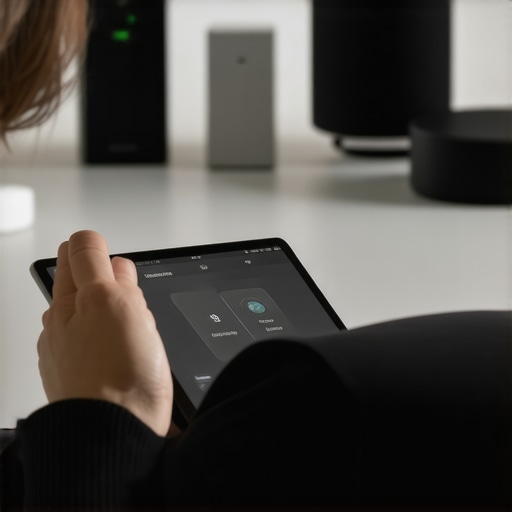
Over the years, I’ve discovered that even the best smart devices can surprise you with their quirks—whether it’s a tracker losing signal in an unexpected zone or a smart display misbehaving during a crucial moment. One of the biggest lessons I’ve learned is that investing in high-quality, reputable gear often saves you from frustration later. Sometimes, the simplest setup—pairing a trusted tracker with a reliable network—can make all the difference, emphasizing the importance of quality over quantity.
Another insight is the value of detailed firmware management. Regular updates not only enhance performance but also patch security vulnerabilities that could compromise your data. I’ve found that automating routine checks for updates and network health keeps my smart environment running smoothly and ensures I get real value from my investments.
Additionally, embracing automation routines, like scheduled reboots and connectivity tests, reduces manual troubleshooting and maximizes device lifespan. This proactive approach transforms your smart setup from a collection of gadgets into a cohesive, resilient system tailored to your lifestyle. The key takeaway? Prioritize deliberate, informed choices—think of it as building a trusted smart ecosystem that truly works for you.
My Essential Toolkit for Smart Home Success
- Smart Plug Brands: I trust brands like Bayonet, known for durability and safety, which you can explore for automatic power management tasks. Their devices often include features like energy monitoring and surge protection, greatly reducing accidental damage. Learn more about the best smart plugs for 2024 here.
- Smart Trackers with Long Battery Life: For reliable, all-year tracking, I recommend brands offering at least a 2-year battery span, such as the ones reviewed in this guide. Their durability and wide coverage give peace of mind during travel or everyday errands.
- Smart Speakers with Privacy-Focused Features: My preferred options include models that run local AI or offer offline modes, found in this selection. They provide seamless voice control without constantly uploading your data, respecting your privacy while still delivering smart assistance.
- Smart Displays with Matter 2.0 Compatibility: These devices enable effortless syncing across different brands, ensuring your smart home functions are unified. Discover how to synchronize your devices for a cohesive experience in this resource.
Take the Leap Toward Smarter Living Today
Having the right tools and strategies can truly transform your daily routine and provide peace of mind. The future of smart devices promises even deeper integration and smarter maintenance, making it easier than ever to create a safe, efficient home environment.
Are you ready to upgrade your smart setup and experience the benefits firsthand? Small changes today can lead to a future where your smart home adapts seamlessly to your needs—so why wait?
What’s your biggest challenge with managing your smart devices right now? Share your thoughts below, and let’s learn from each other’s journeys toward smarter living.