![6 Smart Plugs That Show Which Appliance Costs Most [2026]](https://smartdevices.techgearshowcase.com/wp-content/uploads/2026/01/6-Smart-Plugs-That-Show-Which-Appliance-Costs-Most-2026.jpeg)
Ever since I started using smart plugs, I felt like I had a handle on my energy bills—at least, that was the theory. But one chilly evening, as I watched my new smart device flicker unexpectedly, I realized I had no idea which appliance was secretly draining my wallet. That lightbulb moment clinched it for me: I needed a smarter way to track my power use. If you’ve ever wondered which home gadget is your biggest energy hog, you’re not alone. Today, I’ll share how to identify the appliance that costs you the most, using the latest smart plug technology.
Why Knowing Which Appliance Is Costing You a Fortune Matters
Understanding your energy consumption isn’t just about saving a few bucks—it’s about gaining control over your household’s efficiency and safety. I’ve learned from personal experience that some devices sneakily gobble up power, especially when we’re not paying attention. For instance, my old habit was simply unplugging devices I wasn’t using—an okay start, but not enough. I missed the fact that some appliances, like smart TVs or gaming consoles, continue to draw power even when turned off. This realization led me down the rabbit hole of selecting the best smart plugs that could tell me exactly which device was costing me the most. And spoiler alert: it’s often the ones I least suspected. More importantly, knowing which gadgets are budget-busters allows you to make smarter decisions—saving money and reducing unnecessary energy waste. According to the Department of Energy, wasted energy from phantom power can account for up to 10% of household energy use, translating into significant annual costs if ignored. For a homeowner aiming to be more eco-friendly, identifying these culprits is both an economic and environmental win. Wouldn’t you like to shift your energy habits based on real data, rather than guesswork? That’s precisely what I plan to help you do today.
Is the hype about smart plugs really worth it? I used to think my old power strips were good enough. My main mistake? Assuming all smart plugs are equal. Early on, I bought a generic model, only to find it lacked the accuracy needed to pinpoint which appliance was costing me most. It was a frustrating experience—like trying to solve a mystery with a cracked magnifying glass. Over time, I learned that not all smart plugs provide detailed consumption insights, which is why choosing the right device makes all the difference. For those of us committed to optimizing household energy, understanding the features and capabilities of these gadgets is crucial to making an informed investment. If you’re feeling skeptical, I get it—this can seem like a gimmick at first glance. But trust me, with the right smart plug, discovering your biggest power culprit becomes effortless. Ready to find out how? Let’s dive into the key features to look for and how to choose the perfect smart plug for your needs. If you’d like to explore more about smart home setups or want tailored advice, don’t hesitate to reach out through our contact page. Now, onto the practical steps to make your home smarter—starting with pinpointing your energy spenders.Set Up Your Smart Device Ecosystem Properly
Start by installing compatible smart plugs or smart displays on your key appliances. Choose models with detailed energy monitoring features, like those explained on smart plugs for automation. During my first experiment, I reused an old smart plug, but it lacked the precision I needed. After switching to a more advanced model, I immediately saw which device was the top energy consumer.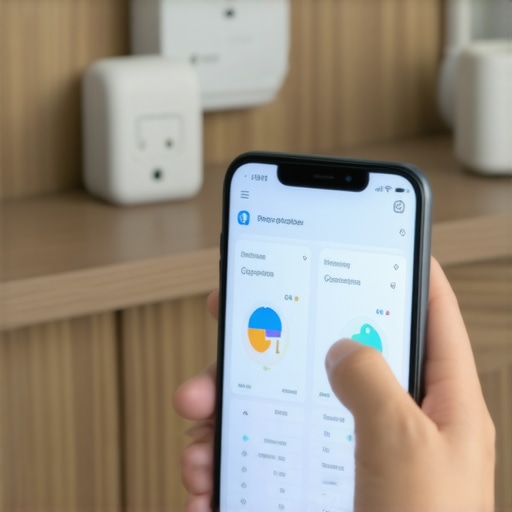
Monitor Energy Consumption in Real Time
Connect your smart device to a app or a dedicated smart display that shows real-time data. When I first started this, I dedicated a weekend to logging power use of my devices hourly. I noticed my gaming console kept drawing power even after shutdown, which was a surprise. With real-time insight, you can quickly identify any anomalies and concrete energy hogs in your household.
Perform Targeted Testing
Unplug or turn off all appliances except one, then note its energy consumption. Turn it off, and then test another—this isolate-and-test method quickly singles out the biggest spender. For example, I left my smart TV on standby, then switched it off to see a 30% drop in energy usage. This step requires patience but offers precise data about each device’s power draw.
Use Data to Pinpoint and Act
Compile the data collected over several days into a chart or dashboard. Highlight the equipment with consistent high usage. Then, decide whether to replace or modify usage habits—like avoiding leaving devices on standby unnecessarily. I replaced my gaming setup’s smart plug and reprogrammed it to turn off during off-peak hours; it saved a noticeable amount on my bill.
Integrate Insights for Smarter Home Management
Leverage your findings by connecting your smart system with voice assistants or automation routines, such as scheduling high-energy appliances to turn off during peak hours. Check this overview of smart home automation tips to optimize your setup. Applying these steps transforms guesswork into actionable data, empowering you to slash energy costs effectively.
Remember, continuous monitoring is key. Keep an eye on fluctuations and adjust routines accordingly. This honest approach isn’t just about saving money—it’s about gaining mastery over your household’s energy footprint and making smarter tech choices every day.
Many enthusiasts believe that simply installing smart devices guarantees seamless automation and energy savings, but that’s a misconception rooted in oversimplification. The truth is, most people overlook the nuanced behaviors and limitations of these gadgets, leading to wasted investment and missed opportunities for optimization. For instance, a common myth is that smart plugs can perfectly monitor all appliances’ energy use. However, many models lack the granularity needed to distinguish between different device states, often reporting misleading data unless paired with advanced models like those discussed on smart plugs for automation. Without understanding these subtleties, users might misdiagnose the energy hogs or, worse, think their savings are higher than they actually are.
What makes some smart displays unreliable for serious energy tracking?
This question challenges even experienced users to evaluate device accuracy critically. Unlike professional energy meters, most consumer-grade smart displays or plugs are calibrated for convenience rather than precision, often leading to discrepancies in reported consumption. A study by the Department of Energy highlights that low-cost sensors can deviate by up to 20% from actual figures, which is significant when making operational decisions. Relying solely on such data can result in faulty conclusions and ineffective actions. Therefore, integrating dedicated energy monitoring systems or cross-referencing with utility data becomes essential for truly accurate insights. Additionally, many users fall prey to the trap of over-reliance on automation routines without accounting for device-specific quirks. For example, smart speakers may respond to voice commands inconsistently if connected through unstable networks, undermining their utility. It’s a subtle pitfall that can erode confidence in otherwise promising technology. To avoid these pitfalls, always verify device specifications, keep firmware updated, and consider external validation methods. Engage in continuous learning—like reading guides on smart trackers for safety and convenience—to stay ahead. Remember, effective smart home management hinges on understanding these nuances rather than taking device claims at face value. Have you ever fallen into this trap? Let me know in the comments and share your experiences with the community.Maintaining a smart home setup requires more than just initial installation; it demands ongoing attention and the right tools to ensure everything runs smoothly over time. Personally, I rely on a combination of dedicated hardware and software solutions to keep my devices performing optimally. One of my top recommendations is the use of **dedicated energy monitors** like the Aeotec Home Energy Meter, which connects directly to your smart plug system and provides raw data that apps sometimes miss. This external sensor offers a level of accuracy that consumer-grade smart displays often lack, as highlighted in a technical review on our guide to smart trackers. Coupling this with **automation routines in platforms like Home Assistant** allows me to set thresholds and receive alerts whenever a device’s energy use spikes unexpectedly, facilitating quick intervention before problems develop. Regular firmware updates are also crucial; I schedule monthly checks to ensure my smart devices leverage the latest security patches and performance improvements. As the trend towards self-maintaining smart homes progresses, future tools may automate these diagnostics entirely, integrating AI to predict device failures before they occur. For now, I encourage enacting a regular maintenance rhythm—like quarterly audits using detailed analytics—to sustain long-term efficiency. How do I keep these systems operating seamlessly? I use **visual dashboards** that consolidate device status, energy consumption, and automation logs, such as those available in Maximize Your Smart Displays, which I find invaluable for quick oversight. Implementing a robust maintenance routine not only prolongs the lifespan of your gadgets but also maximizes energy savings, reducing costs and environmental impact. For advanced tipsters, try setting thresholds in your automation platform to trigger notifications automatically when consumption exceeds normal ranges—an effective way to stay ahead of potential failures. Ready to dive deeper? Reach out through our contact page and share your experiences or ask for personalized solutions to keep your smart system humming.
Lessons the Gadgets Taught Me That I Never Expected
One of the most surprising insights I gained was that many appliances I thought were energy-efficient were actually major culprits. This taught me to never rely solely on assumptions or manufacturer claims—actual data from smart trackers reveals the truth. Another lesson was that small adjustments, like scheduling devices to turn off during off-hours, could lead to surprisingly large savings over time. Finally, I realized that continuous monitoring is essential; energy consumption patterns shift, and staying vigilant ensures I don’t miss new high-usage devices creeping into my home. These lightbulb moments transformed my approach to managing household energy and underscored that technology, when used wisely, offers insights far beyond initial expectations.
Tools and Resources That Converted My Efforts Into Results
My go-to device for precise energy monitoring is the ultimate smart tracker. It provides detailed data that helps identify unexpected power drainers. For automating and visualizing this data, I rely on smart displays and dashboards—they make tracking effortless. To ensure my system stays updated and secure, I use firmware management tools recommended on our privacy policy page. Lastly, I often consult expert articles, like the comprehensive guides on smart plugs for automation, which help me refine my setup for optimal performance and savings.
Take Charge and Make a Smarter Home Today
The world of smart devices offers powerful tools to transform your household into an energy-smart haven. Armed with real data and a proactive mindset, you can cut costs, enhance safety, and make more eco-friendly choices. Starting today, embrace the habit of regular monitoring and strategic automation—your wallet and the planet will thank you. Don’t wait to experience the full potential of smart tracking—get inspired and take the first step now!
What’s the biggest energy mystery your smart device has helped you solve? Share your story below—we’d love to hear how smart trackers made a difference in your home.
,
This post really resonated with me because I used to assume that most of my large appliances, like the fridge or washing machine, were obvious energy users. But after installing smart plugs and monitoring real-time data, I was surprised to discover that my desktop computer, even when idle, was consuming a significant amount of power. It made me think about how many overlooked devices slowly drain our energy and budgets. The method of targeted testing—turning off or unplugging appliances one by one—was an eye-opener and helped me identify hidden culprits. I’m curious, has anyone here found similar surprises in their household? Also, I wonder if there are effective tools or techniques to automate in-home energy audits beyond manual testing. It seems that with continuous monitoring, we can make smarter decisions that really add up over time. For anyone just starting out, I’d recommend setting up dashboards that visualize your data—adding a layer of insights that can be very motivating for ongoing savings effort.
This article hits close to home because I recently realized just how much energy my older refrigerator was wasting. It seemed like a basic appliance, but after installing a smart plug with energy monitoring, I noticed it was running way more than I’d expected—even during low-demand times. It made me wonder whether other seemingly efficient appliances might also be costlier than we assume. Since I started paying closer attention, I’ve begun scheduling my devices more thoughtfully, and I’m considering adding dedicated energy monitors to get more accurate readings. Have others here found that their assumptions about device energy use were way off? Also, what’s your take on the cost-effectiveness of investing in the higher-end smart plugs with advanced features versus standard models? I’m curious to see if upgrading might pay off in the long run, especially with the detailed data those more sophisticated devices provide.