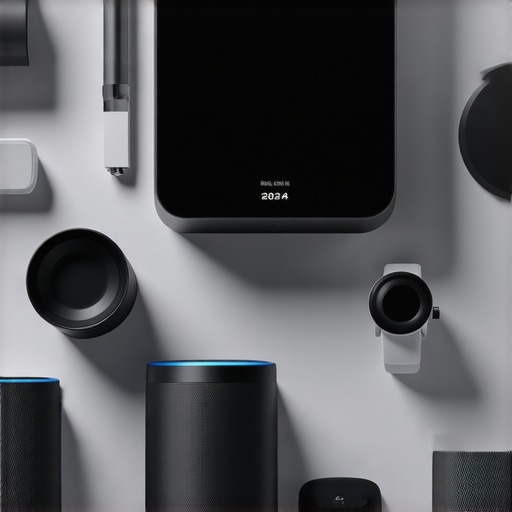
I remember the frustration vividly—standing in my living room, juggling my phone, trying to control multiple smart devices that just wouldn’t sync properly. It was like my smart home was working against me, not for me. That light bulb flickered off when I needed it most, and I couldn’t get my smart speaker to obey my commands. If you’ve ever felt overwhelmed trying to manage an array of smart gadgets, you’re not alone. The promise of a seamlessly connected home can sometimes feel more like a running treadmill, with constant updates and compatibility issues.
Why Smart Devices Should Simplify, Not Complicate Your Life
In 2024, smart devices are more advanced and affordable than ever, but their true value depends on how well they integrate into your daily routine. The big question is: Are these gadgets genuinely making life easier, or just adding another layer of complexity? From smart plugs that automate your coffee machine to trackers that ensure your family’s safety, choosing the right devices can transform your space into a haven of convenience.
But here’s a thought—many early smart home enthusiasts make the mistake of buying based on hype instead of actual needs. I did this myself, rushing to get the latest smart display without considering whether it would actually improve my day-to-day interactions. As a result, I ended up with a cluttered ecosystem that was more confusing than helpful.
Understanding what to look for and how to select devices that genuinely serve your lifestyle can save you time, money, and frustration. I’m here to help you navigate this maze, sharing insights from my own journey and the latest expert recommendations.
If you’ve faced this dilemma—buying a gadget that promised convenience but delivered headaches—you’re in the right place. We’ll explore practical steps to build a smart home system tailored to your routines, cutting through the noise of countless options.
Ready to find out which devices really deliver on their promises? Let’s dive into the essential choices that will turn your smart home from a source of stress into a source of joy.
Is the Smart Hype Worth the Price
A common skepticism I encountered early on was whether investing in smart devices truly offers value. I learned the hard way that not all gadgets are created equal—some just add to the clutter. According to a recent study by Statista, over 80% of consumers find device integration problematic, leading to underutilized features and frustration. That’s why making informed decisions is crucial.
Have you fallen into the trap of purchasing tech just because it was trending? If so, you’re not alone—and understanding common pitfalls can help you avoid them in your own home.
Now that we’ve set the stage, let’s look at the practical steps to curate a smart device lineup that enhances your life without the hassle. From choosing the right smart plugs to optimizing your smart displays, the goal is to create a cohesive and effortless experience, one device at a time.
Set Clear Priorities Before Buying
Begin by listing the tasks you want your smart devices to handle, like controlling lights or monitoring security. For example, I once bought a smart display expecting it to manage all household routines, but misunderstood its capabilities. Prioritize essential functions to avoid wasting money and creating clutter.
Choose the Right Hub or Ecosystem
Opt for a unified platform such as Google Home or Amazon Alexa to keep everything streamlined. Think of it as choosing a universal remote—using one system simplifies control and reduces compatibility headaches. I initially mixed brands, which led to frustration, but consolidating my devices made control effortless.
Start with the Basics: Smart Plugs
Smart plugs are the gateway to automation. They transform conventional appliances into smart devices, allowing remote control and scheduling. For instance, I connected my coffee maker via a smart plug—waking up to freshly brewed coffee without manual effort. Check out options at Smart Plug Guide for top picks.
Focus on Compatibility
Ensure the smart plug or device works with your chosen ecosystem. Compatibility issues can turn setups into troubleshooting nightmares. I learned this the hard way when my device wasn’t recognized by my hub, so always verify before purchasing.
Gradually Expand Your Network
Add devices one at a time, testing each integration thoroughly before proceeding. For example, after mastering smart plugs, I added smart lights, which enhanced ambiance and convenience without overwhelming my system. This phased approach keeps troubleshooting manageable and ensures stability.
Leverage Smart Displays for Control and Monitoring
Smart displays like Google Nest Hub or Amazon Echo Show serve as centralized control panels. I mounted my display in the kitchen, allowing voice commands and visual feedback seamlessly. Use Display Optimization Tips to enhance your setup.
Customize Your Interface
Arrange controls and information based on your routines. For instance, I kept my security camera feeds nearby for quick access during the day. Personalizing your display reduces chaos and makes routine tasks straightforward.
Implement Safety and Security Devices Wisely
Smart trackers and sensors safeguard your home. I installed door/window sensors that alerted me to any unexpected entry. To choose the best options, explore Top Smart Trackers. Focus on easy installation and compatibility with your existing system.
Regular Software Updates
Keep your devices updated for security and new features. Automated updates save time and improve reliability, ensuring your smart home remains responsive and safe.
Test and Tweak Your System Continuously
After setup, spend time using your system at different times of day to spot issues. For example, I noticed my lighting automations didn’t trigger properly during cloudy mornings—adjusting schedules fixed this. Regular testing ensures your smart home operates smoothly and aligns with your lifestyle.Many enthusiasts believe that simply adding more smart devices will automatically create a seamless experience, but this oversimplification can lead to pitfalls. One common misconception is that compatibility across brands ensures flawless integration; however, in practice, even popular ecosystems often face nuanced issues like delayed response times or inconsistent workarounds, especially when firmware updates roll out. Another advanced mistake involves ignoring the importance of network segmentation—failing to isolate your smart devices on a separate Wi-Fi network can expose your entire ecosystem to security vulnerabilities, a point emphasized by cybersecurity experts like Bruce Schneier.
Are Your Smart Devices Truly Secure or Just Secure Enough to Fool You?
While manufacturers tout encryption and security features, neglecting routine updates or failing to disable unnecessary services can leave your system exposed. For example, unpatched vulnerabilities in outdated firmware can be exploited even when devices seem to be functioning properly. Continuous monitoring and regular software updates are crucial; otherwise, your convenience might come at a hidden security cost. Additionally, over-automation without proper fallback plans can create a scenario where a system failure leaves you stranded—like smart locks that don’t respond during power outages or connectivity issues. Properly planning for such contingencies is often overlooked but vital for reliability. For in-depth strategies on optimizing your smart setup, check out this expert guide. Remember, smarter isn’t always better if you don’t understand the hidden complexities. Have you ever fallen into this trap? Let me know in the comments.Maintaining a smart home system requires more than initial setup; it involves ongoing attention to ensure all devices operate seamlessly and securely. One of the first tools I recommend is a reliable network monitoring solution like Fingbox, which helps identify bandwidth bottlenecks and unauthorized devices, ensuring your smart ecosystem remains secure and responsive. Regular firmware updates are crucial—they fix vulnerabilities and improve functionality. I make it a point to schedule monthly checks through the manufacturer’s app, which sometimes offers automated updates or alerts for new firmware releases. For automating routine maintenance, I use a network management platform such as Ubiquiti’s UniFi Controller, which provides centralized control and notifications for all connected devices, including smart plugs and displays.
To troubleshoot connectivity issues quickly, I rely on tools like PingPlotter, which visually maps network performance over time. This helps me pinpoint latency spikes affecting devices like smart speakers or security trackers. When it comes to long-term reliability, setting up a dedicated guest Wi-Fi network for your smart devices adds a layer of security and stability, preventing bandwidth competition with personal devices. You can configure this via your router’s admin panel—most modern routers support simple setup procedures.
Predicting future trends, I believe the integration of AI-driven maintenance alerts will become standard, proactively identifying issues before they affect your system’s performance. This evolution will make ongoing care far easier, even for non-technical users.
How do I keep my smart home system in top shape over time?
Consistent monitoring and updates are the backbone of a dependable smart home. Regularly review device logs and performance reports, and don’t hesitate to explore advanced tools that offer deeper insights. For example, integrating a network monitoring platform with your smart hub can provide real-time alerts and detailed diagnostics—saving you hours of troubleshooting. I personally utilize this approach to maintain stability and security, especially as my system scales with new devices.
Don’t forget—periodic system audits and a clear security protocol can make all the difference. For instance, disabling unnecessary services and changing default passwords significantly reduces vulnerability, aligning with best practices outlined by cybersecurity experts such as Bruce Schneier. For comprehensive guidance, check out this detailed guide.
I encourage you to try setting up a network management tool and schedule a monthly firmware review. Small steps like these can drastically improve your experience, ensuring your smart devices perform reliably and securely for years to come.
Over time, I realized that the most valuable insights didn’t come from tech specifications or brand promises but from my own missteps and surprises while building a smarter home. These lessons transformed my approach from trial-and-error to strategic harmony, ensuring each device serves a purpose rather than adding chaos.
What I Learned About Smarter Devices and My Peace of Mind
- Rushing into upgrading or expanding my system often led to compatibility headaches. Waiting, testing, and integrating gradually proved far more effective.
- Over-automation is tempting, but I found that simple routines stay reliable—complex setups often fall apart when you least need them to.
- Security is often overlooked in pursuit of convenience. Regular updates and network segmentation have protected my devices and peace of mind.
- My biggest eye-opener: a well-organized ecosystem reduces frustration. Consolidating around a central hub allowed me to control everything effortlessly and stay ahead of issues.
- Every device adds value when it aligns with daily habits. Thoughtfully selecting based on genuine needs prevents clutter and maximizes benefits.
Tools and Tips That Became My Allies
Some resources stood out as game-changers. For a comprehensive understanding of smart device integration, I recommend exploring expert guides like this insightful resource. Devices like smart plugs transformed mundane routines, while smart displays became my nightly command centers. To ensure ongoing security, I rely on tools such as network monitoring platforms and regular firmware checks—keeping my system resilient against emerging threats.
Your Next Step Could Make All the Difference
Embracing your smart home isn’t just about adding gizmos; it’s about creating a seamless experience that enhances your life. Start small, stay curious, and don’t hesitate to revisit your setup periodically. Smart devices can truly transform your living space when paired with thoughtful choices and continuous care.
What has been your biggest surprise or lesson as you’ve built or improved your smart home? Share your story below—I’d love to hear how your journey unfolds!
,