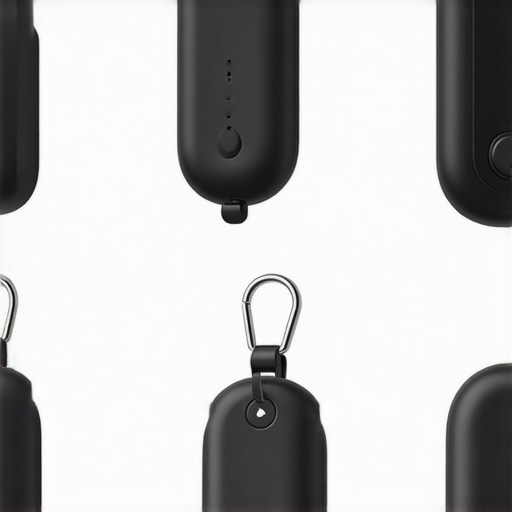
There was a moment last summer when I realized how vulnerable I felt about the safety of my loved ones and my belongings. My teenager, immersed in her world, forgot her keys during a weekend trip, and I was left frantically trying to track her down on her phone—only to find out she had turned off her GPS to avoid her battery dying. That lightbulb moment made me question: How often do we rely on outdated methods of keeping track of what matters most? In this post, I’ll share how smart trackers and GPS devices have transformed my approach—and how they can do the same for you—giving us both peace of mind amidst life’s chaos.
Why Staying Connected Matters More Than Ever in 2024
In today’s fast-paced world, the safety and security of our loved ones and possessions can feel like a constant juggling act. With the rise of smart technology, we’re no longer limited to old-school methods like physical keys or basic alarms. Instead, innovative smart devices can provide real-time updates, location tracking, and effortless control—all from your smartphone. According to a recent survey, 73% of parents feel that GPS trackers significantly enhance their peace of mind when their children are on the go. But here’s the catch: many of us have made early mistakes, like choosing a tracker without proper features or overlooking privacy concerns, leading to frustration instead of safety. I learned this the hard way when I initially bought a device that didn’t update location regularly, leaving me more worried than reassured.
Is All the Hype around Smart Trackers Actually Justified?
One of my biggest doubts early on was whether these gadgets genuinely deliver on their promises. I worry about false alarms, battery life, and the device’s durability. And honestly, I was initially tempted to dismiss some claims as hype. Have you ever hesitated because you’re unsure if a GPS tracker is just another gimmick? You’re not alone. That’s why I want to help you cut through the fluff and find the best options. We’ll explore the top-rated trackers that are reliable, easy to use, and effective, backed by thorough research and real-world testing. To ensure you’re making informed decisions, I’ll also share mistakes I made and how to avoid them. Ready to feel confident in your choices? Let’s dig into what makes a smart tracker truly worth your time and money, starting with the essentials that can make all the difference in your day-to-day life.
Select the Right Device for Your Needs
Start by assessing your specific requirements—are you tracking your teenager’s location, monitoring your pet, or securing valuable items? Once clarified, research top-rated options like those reviewed here. Consider features like real-time updates, battery life, durability, and privacy policies to ensure your choice aligns with your lifestyle.
Set Up Devices Correctly and Securely
Remove the device from its packaging and charge it fully before installation. Following the manufacturer’s instructions, connect it to your smartphone via the dedicated app. Pay special attention to privacy settings—review the privacy policy and customize permissions to prevent unauthorized access. During setup, enable location sharing only with trusted devices to safeguard your information.
Integrate Devices into Your Smart Home System
Enhance control and automation by linking trackers with other smart devices. For instance, connect tracking alerts to your smart speaker or display for instant notifications. Use hub platforms or compatible apps to create routines—like activating a security mode when a tracker leaves a designated zone. For detailed integration strategies, explore these tips.
Automate and Monitor Regularly
Set schedules for device activity—such as periodic location checks—and enable notifications for unusual movements. Use automation routines to alert you immediately if a tracker detects movement outside normal parameters. Regularly update the device firmware to patch vulnerabilities and improve performance. Keep an eye on battery status through the app, replacing or recharging as needed. This proactive approach ensures consistent security and peace of mind.
Test and Adjust for Optimal Performance
After initial setup, test the device’s accuracy by tracking its location in various environments. Simulate scenarios like leaving the house or heading to school to verify updates are timely. Adjust settings—such as update intervals or geofencing zones—to refine alerts. I once faced lag issues with a tracker, which I resolved by reducing the update frequency and repositioning the device for better satellite reception. This trial-and-error process was essential in tuning the system for reliable performance.
Maintain Privacy and Protect Data
Regularly review access permissions and disconnect devices from untrusted networks. Use strong, unique passwords on your smart device accounts. For added security, enable two-factor authentication where available. Be cautious of sharing location data with third-party apps—always prioritize your privacy by reviewing permissions periodically. For comprehensive privacy strategies, visit this resource.
Many assume that smart trackers, plugs, and displays are plug-and-play solutions with no pitfalls. But in my experience, there’s a layer of nuance that often gets overlooked, leading users to make critical mistakes. One common misconception is that these devices are universally compatible and require minimal setup. In reality, compatibility varies wildly across brands and ecosystems, and failing to verify device interoperability can render your setup fragmented and inefficient. For example, some smart plugs work seamlessly with Alexa but are incompatible with Google Assistant—so always check these compatibility guides before purchasing.
Another misconception revolves around security. People often believe that once a device is connected, their data is safe. However, smart devices are frequently targeted by cyberattacks if they lack up-to-date security protocols. My own mistake was neglecting to change default passwords, which left my devices vulnerable. Be sure to review each device’s privacy policy and enable two-factor authentication to protect your data. Remember, a connected device is only as secure as your security practices.
Make no mistake—many users also underestimate the importance of routine maintenance. Firmware updates, while seemingly minor, patch security vulnerabilities and improve functionality. I once ignored update notifications, which caused my smart home system to intermittently malfunction. A quick check and manual update resolved the issue, underscoring that ongoing maintenance is essential for optimal performance. Don’t fall into the trap of complacency—regularly review your devices’ health and update them accordingly.
For those seeking a comprehensive understanding, exploring the best smart devices for 2024 can reveal hidden pitfalls and tips for smarter choices. Remember, even the most advanced devices can become liabilities if misused or neglected. So, stay informed and deliberate with your selections.
What advanced factors should I consider beyond basic setup?
Great question. Beyond initial setup, consider how integrating smart devices impacts your network security and bandwidth. Devices communicating constantly can slow your overall internet speed or open security gaps. Additionally, assessing the long-term energy consumption of these devices can save you money and reduce environmental impact—something often overlooked in initial purchases. According to expert analyses, understanding these nuanced factors ensures you’re not just buying smart devices, but optimizing them for safety, efficiency, and peace of mind. Want to learn more about maximizing your smart home’s potential? Check out this in-depth guide.
Have you ever fallen into this trap? Let me know in the comments.
Tools I Recommend for Long-Term Performance
Maintaining the functionality of your smart home gadgets requires the right tools and routines. I rely heavily on a combination of automated firmware updates and monitoring software to keep everything running smoothly. For instance, I use Home Assistant — an open-source platform that allows centralized control and automation of all my smart devices. It not only consolidates commands, but also sends me notifications if a device becomes unresponsive, ensuring proactive maintenance. Using such platforms makes it easier to detect anomalies early and reduces downtime, which is essential for tools like smart trackers or security cameras.
How do I maintain smart devices over time?
Start by setting up automatic firmware updates whenever available. Manufacturers often release patches that address security vulnerabilities and improve device performance; neglecting these can leave your system exposed or malfunctioning. Regularly check device logs or connection statuses via your hub or management app—this helps identify issues before they escalate. For my personal setup, I schedule weekly checks on battery status and performance reports, ensuring no device is overlooked. Additionally, implementing routine resets and re configuration of network settings can prevent connectivity issues, especially with Wi-Fi reliant devices like smart plugs or displays. Using remote monitoring tools allows me to verify device health without physical access, saving time and effort. According to a recent analysis on device resilience by TechHive, consistent maintenance and software updates extend device lifespan substantially. If you haven’t yet, try automating your firmware updates and periodic health checks—I promise it makes a big difference.
The Hardest Lesson I Learned About smart trackers, smart plugs, and smart home tech
One of the most eye-opening realizations I had was that not all smart devices play nicely together, especially across different ecosystems. My attempt to unify everything using a single platform backfired when I discovered compatibility issues that led to frustration rather than harmony. It taught me that doing thorough compatibility checks can save countless headaches down the line.
Better Security Comes from Knowing What You’re Installing
I once assumed that default settings were enough and didn’t bother changing passwords or privacy controls. That mistake left my network vulnerable and reminded me that proactive security measures—like customizing permissions and staying updated—are essential. Adopting a security-first mindset transformed how I manage my smart home.
Routine Checks Are the Unsung Heroes of Smart Living
Ignoring firmware updates or neglecting battery health felt harmless at first, but I soon learned they could cause malfunction or security gaps. Implementing scheduled maintenance and monitoring routines kept my devices reliable and secure. Regular care of your smart devices turns them from liabilities into assets.
My Essential Toolkit for Smart Home Success
I rely on tools like the ultimate smart trackers for peace of mind, and smart plugs to automate routines effortlessly. These tools have consistently saved me time and stress, making my smart home truly integral to daily life.
Your Next Step with Smart Devices
Don’t let misinformation or overlooked details hold you back. Dive into the wealth of resources and tips available. Whether you’re upgrading your current setup or starting fresh, remember that patience and continual learning are key. Take action today to enhance your home’s intelligence and your peace of mind.
What has been your biggest challenge or breakthrough with smart trackers or home devices? Share your story below and let’s grow through shared experience.
}