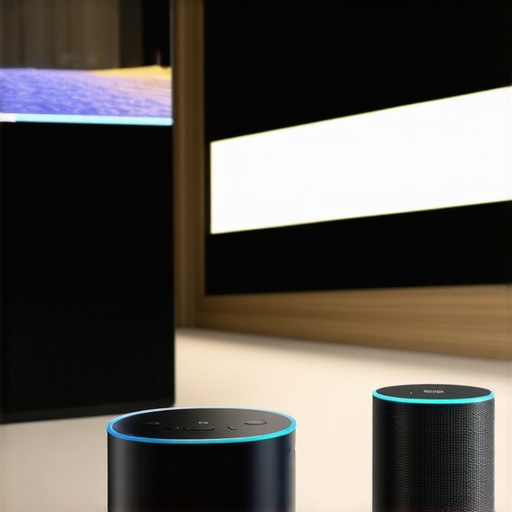
Picture this: I was rushing out the door, laptop, suitcase, and coffee in hand, when I realized I had forgotten to set my smart home devices. The lights were still on, the thermostat was cranked up, and my smart speaker was silent—completely disconnected from the chaos of my morning. That moment hit me hard. It’s frustrating when technology promises to make life easier but ends up complicating it instead.
Over the years, I’ve learned that the right smart devices can turn any space into a seamless, intuitive environment. But choosing the best smart speakers, displays, and trackers for both travel and home isn’t straightforward. In 2024, with so many options flooding the market, how do you know what’s truly worth your investment? That’s exactly what I want to help you with today. I’ll share my insights, mistakes, and tips so you can confidently select devices that simplify your life—whether you’re at home or on the go.
Why Smart Devices Are a Must-Have for Modern Living
Smart technology isn’t just a luxury anymore; it’s becoming essential. From automating routine tasks to enhancing security, these gadgets save time and reduce stress. According to a recent study by Statista, the global smart home market is expected to reach over $135 billion by 2025, highlighting how integral these devices are becoming in our daily routines. But here’s the catch—without proper setup or understanding, it’s easy to get overwhelmed or end up with gadgets that don’t work well together.
Early on, I made the mistake of buying a bunch of smart devices without considering compatibility or my actual needs. It led to a tangled web of apps, frustration, and wasted money. That’s why I now focus on choosing devices that are reliable, easy to use, and integrate smoothly into my lifestyle. If you’ve ever felt lost in the sea of tech choices, you’re not alone. Luckily, with a bit of guidance, you can avoid those pitfalls and enjoy the full benefits that smart devices offer. Want to make your smart home work for you? I’ve got some practical tips to share.
Is Smart Tech Overhyped or Truly Worth It?
One common skepticism I hear is whether these devices really deliver on their promises. Trust me, I’ve been there. I once bought a fancy smart display that I thought would revolutionize my mornings, only to find it’s more complicated than helpful. The key is to choose the right devices and set them up properly. For instance, smart plugs can automate your lighting and appliances effortlessly—check out this guide for top picks. Similarly, robust smart speakers and displays can serve as your voice-controlled hub, transforming your space into a connected haven, as I discuss in this article.
My early mistake was assuming more devices meant better automation, but quality and compatibility matter more. When set up correctly, these gadgets can truly change how you live and travel. And the best part? They grow with you, adapting as your needs evolve. Ready to discover the best smart devices for 2024? Let’s dive into the options that can genuinely make your life easier, smarter, and more secure.
Start with a Clear Plan
Before diving into buying gadgets, define what you want to achieve. Do you want to automate lighting, enhance security, or simplify travel? I once rushed into purchasing smart plugs without a plan and ended up with disconnected devices. Instead, sketch out your needs and map which devices will serve those purposes, ensuring compatibility and ease of use. For a comprehensive approach, explore this guide to unlock the full potential of connected tech.
Select Compatible Devices Carefully
Choosing devices that play nicely together is crucial. Think of your smart home as a team—if one player doesn’t follow the same rules, the game suffers. Stick to brands known for compatibility, like those supporting Matter standards, to reduce frustration. I remember trying to sync a smart speaker with my smart display, only to find they didn’t communicate well. A quick check of product specs saved me hours of troubleshooting. For top picks, visit this buyer’s guide.
Set Up Devices Methodically
Don’t rush the setup process. Connect one device at a time, ensuring each works correctly before adding the next. For example, I installed smart plugs in my living room, tested their automation, then moved on to smart speakers. This step-by-step method helped me identify issues early. Use the manufacturer’s app for configuration, as it’s designed for seamless integration. To maximize control, check out these tips for smart display setup.
Leverage Voice Assistants Effectively
Voice commands are the heart of smart living. Take the time to customize routines. For instance, I created a morning routine that turns on lights, starts my coffee maker, and plays news—all with a single voice command. Use the voice assistant’s app to set preferences and integrate devices smoothly. Remember, clear commands yield better results, so avoid ambiguous phrases. For more on optimizing voice control, explore this resource.
Automate for Convenience
Automation is about reducing manual work. Use smart plugs to schedule devices—like turning off the TV at midnight or activating outdoor lights at sunset. I installed smart plugs on my entire outdoor setup, which now turns on automatically as it gets dark. Regularly review and tweak routines to fit changing needs. Check out this guide for automation ideas.
Prioritize Privacy and Security
Smart devices collect data, so protect your privacy. Use strong, unique passwords for each device and enable two-factor authentication where possible. Regularly update firmware to patch vulnerabilities. I once neglected updates and faced a security alert, which prompted me to review all my device settings. For best practices, review this privacy policy.
Test and Optimize Regularly
Smart home setup isn’t a set-and-forget task. Periodically test routines, update device firmware, and adjust settings for better performance. I set a monthly reminder to review my automation, which keeps everything running smoothly. Small tweaks can significantly improve your experience. For comprehensive insights, visit this review.
Many enthusiasts and even seasoned users fall into traps when it comes to smart technology, often due to misunderstandings or oversimplified advice. As someone deeply involved in smart home systems and mobile tracking, I’ve seen the same myths persist and cause avoidable frustrations. Let’s dig deeper into what most people get wrong about smart devices, smart speakers, displays, trackers, and plugs, and how you can steer clear of these pitfalls.
Why do most people overestimate compatibility issues?
It’s a common belief that smart devices from different brands don’t work well together, leading many to stick with a single ecosystem. While brand loyalty has its perks, this myth often prevents users from exploring versatile setups. The truth is, standards like Matter are rapidly improving compatibility across brands, making it easier to mix and match devices without headaches. In fact, according to a recent report by the Connectivity Standards Alliance, Matter-enabled devices have seen a 60% increase in interoperability since their adoption, simplifying integration for consumers.
However, a trap many fall into is assuming that all devices claiming to support these standards will work flawlessly. Always check device specifications and community reviews—don’t rely solely on marketing claims. For example, smart plugs from different brands may support the same standard but can behave differently depending on firmware updates or local network conditions. To ensure seamless operation, I recommend visiting this comprehensive guide for the latest insights on compatibility best practices.
Beware of the automation trap: More is not always better
A common mistake is over-automating with numerous routines, leading to a fragile system prone to failure. For example, I once set up dozens of triggers for my smart home, only to find that a single glitch could cascade into multiple failures—lights staying on, false alarms, or devices not responding. The key is to prioritize simplicity and robustness. Focus on automations that genuinely add value, like scheduling outdoor lights or security alerts, rather than overloading your system with every conceivable trigger.
Furthermore, automation routines should be tested regularly. Small changes can cause unexpected results, especially if multiple routines overlap or conflict. To avoid this, I suggest reviewing routines monthly and keeping a clear documentation of what each automation is meant to do. For more detailed tips on creating resilient routines, check this resource.
How can advanced users optimize smart device performance?
Beyond basic setup, savvy users leverage advanced configurations—like custom routines, network segmentation, or firmware flashing—to enhance performance and security. For instance, creating a dedicated VLAN for your smart home network minimizes interference and isolates potential breaches. Also, regularly updating firmware, not just the app, is vital; outdated firmware can introduce vulnerabilities or cause device malfunctions. According to cybersecurity expert Bruce Schneier, network segmentation can reduce the risk of hacking incidents by up to 80%, especially when combined with strong passwords and two-factor authentication. To learn more about securing your smart setup, visit this privacy and security guide.
In conclusion, understanding these nuanced aspects can dramatically improve your experience with smart technology. Don’t buy into the myth that compatibility is insurmountable or that more automation always equals better results. Instead, approach your setup thoughtfully, test thoroughly, and stay informed. Have you ever fallen into this trap? Let me know in the comments.
How do I maintain my smart devices over time?
Keeping your smart home ecosystem in top shape requires more than just initial setup. Regular maintenance, updates, and the right tools are essential to ensure your devices continue to serve you well. One tool I personally rely on is Fastboot, a command-line utility that helps me quickly update firmware and troubleshoot devices without needing to open apps or go through complicated interfaces. It’s especially useful when managing multiple smart plugs and displays, saving hours of frustration.
For those who prefer a more automated approach, I recommend setting up routine checks using automation platforms like this comprehensive guide. Regularly scheduled firmware updates are vital because they patch security vulnerabilities and improve device stability. I schedule these updates weekly, often during off-peak hours, to avoid disruptions.
Beyond software, physical maintenance plays a role. Dust and dirt can accumulate on smart speakers and displays, affecting microphones and touchscreens. A soft microfiber cloth, paired with a gentle cleaner, keeps devices clean and responsive. I also recommend inspecting power cords and network cables periodically for wear and tear to prevent unexpected outages.
Looking ahead, I believe the trend will shift toward self-maintaining smart devices that can diagnose issues and perform updates autonomously. Companies are already exploring AI-powered diagnostics, which will minimize manual intervention and extend device lifespan. To future-proof your setup, invest in compatible hubs and routers supporting mesh networking, ensuring your smart ecosystem remains resilient and easy to maintain.
If you haven’t already, try integrating these tips for routine maintenance and device health checks. Regular care not only prolongs device life but also keeps your smart home running seamlessly, providing peace of mind and convenience for years to come.
The Costly Lessons I Learned from Overcomplicating My Smart Home
Early in my smart home journey, I believed more gadgets meant better automation, but I quickly realized that quality, compatibility, and simplicity matter more than quantity. My biggest mistake was trying to automate everything without considering how devices communicate, leading to failures and frustration. The lightbulb moment came when I streamlined my setup, focusing on reliable, compatible devices that serve specific purposes. This not only saved me time and money but also made my smart home genuinely helpful instead of overwhelming.
My Go-To Resources for Smarter Living
Over the years, I’ve curated a set of tools and sources that keep my smart home efficient and secure. First, I trust this comprehensive connectivity guide—it’s my roadmap for choosing compatible devices and understanding new standards like Matter. I also rely on this tracker review to keep my on-the-go safety devices up to date, and these tips help me maximize my smart displays’ potential. Lastly, I follow this privacy policy to stay informed on protecting my data, which is crucial in a connected world.
Your Turn to Make Smart Living Work for You
Embracing smart devices in 2024 can genuinely transform your daily routine—if you approach it intentionally. Focus on compatibility, simplify automations, and prioritize security. Remember, technology is here to serve you, not complicate your life. Start small, test thoroughly, and stay informed. The potential for a smarter, more convenient home is within your reach, and the benefits are worth the effort. Don’t wait—your smarter life begins today!