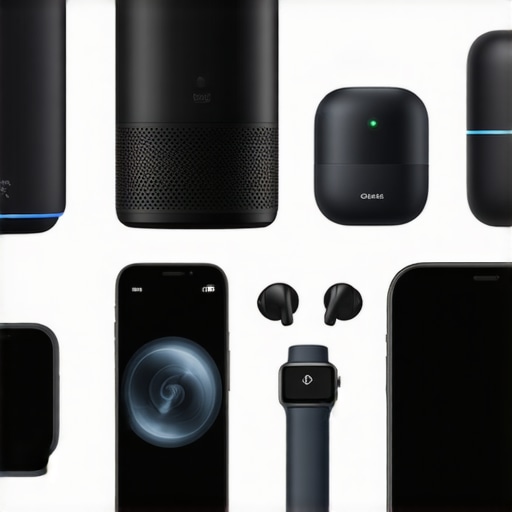
Ever had that frustrating moment when you realize your smart home setup isn’t quite living up to the hype? Maybe your voice assistant missed your command, or your smart plug refused to turn on because of a simple Wi-Fi hiccup. I’ve been there, and let me tell you, it’s enough to make you want to throw in the towel and go back to manual control. But here’s the lightbulb moment: the right smart devices can transform chaos into convenience, whether you’re at home or on the move.
Why Smart Devices Matter More Than Ever in 2024
In 2024, our homes and lives are more connected than ever. According to a recent study, over 70% of households are integrating some form of smart technology, aiming to enhance security, save energy, and boost convenience. Yet, many of us struggle to pick the right gadgets that actually deliver on their promises. I remember buying a smart speaker that was supposed to be the heart of my smart home — only to find it constantly mishearing commands or draining my Wi-Fi. That early mistake taught me a crucial lesson: not all smart devices are created equal, and choosing the right ones can make or break your experience.
If you’ve ever faced the dilemma of smart device overload or felt overwhelmed by the sheer number of options, you’re not alone. The good news? You don’t have to be a tech wizard to get it right. Today, I’ll guide you through the top picks for 2024 that are proven to make your life easier, safer, and more enjoyable—whether you’re relaxing at home or tackling your busy day on the go. Ready to upgrade your tech game? Let’s dive into what truly works and what’s worth your investment.
Is All the Hype About Smart Devices Justified?
One mistake I made early on was assuming that more gadgets meant better automation. Turns out, piling up devices without a clear plan just creates clutter and confusion. It’s better to focus on smart solutions that integrate seamlessly and genuinely improve your routine. For example, a smart plug that easily automates your coffee maker or smart trackers that keep tabs on your valuables can prevent a lot of morning stress and lost items. Want to avoid falling into the trap of buying gadgets just because they’re trendy? Stick around. We’ll explore the must-have devices that are actually worth your time and money.
And if you’re wondering whether these devices are secure and respect your privacy, I’ve got you covered. You can review their privacy policies here to ensure your data stays protected. Now, let’s look at how to choose the right smart devices that will truly enhance your daily life, without the fuss or frustration.
Choose the Right Smart Devices for Your Needs
Start by identifying what you want to improve — security, convenience, energy savings, or entertainment. For example, if you’re tired of manually turning off appliances, a smart plug can automate this task effortlessly. Think of smart plugs as the power strips of the future, turning any device into a smart device with a simple connection. I once replaced my old coffee maker with a smart plug, allowing me to schedule morning brew from my bed, which made a huge difference in my routine.
Set Up a Unified System for Seamless Control
Invest in a smart speaker or display that acts as your home hub. Devices like smart speakers serve as the command center, letting you control various gadgets through voice commands. For instance, I used my smart speaker to turn on lights, check the weather, and even start my robot vacuum — all with a single voice prompt. Use these tips to maximize control and reduce app clutter.
Prioritize Security and Privacy
Before integrating new gadgets, review their privacy policies here. Ensure your network is secure by using strong passwords and enabling two-factor authentication where available. I learned this the hard way when a neighbor’s device was compromised because I didn’t update my firmware. Regularly updating device firmware and changing default passwords keeps your system safe and your data private.
Use Smart Trackers to Keep Tabs on Your Valuables
Smart trackers are like digital watchdogs for your belongings. Attach one to your keys, wallet, or backpack. When misplaced, you can locate your items via your smartphone. I installed a tracker on my travel bag before a trip, and it saved me hours of panic when I couldn’t find it at the airport. For more options, check here.
Optimize Your Smart Display for Effortless Interaction
Smart displays like Google Nest Hub or Amazon Echo Show can serve as visual dashboards. Use them for quick access to controls, calendars, or even recipes. I set up mine in the kitchen, and now I just say, “Show my shopping list,” instead of rummaging through paper notes. Visit these tips to customize your experience.
Implement Automation Rules for Efficiency
Create routines that trigger devices automatically. For example, set your smart lights to turn on at sunset or your thermostat to adjust when you leave home. I programmed a routine that activates my security cameras and locks the doors when I leave in the morning, giving me peace of mind. Use the automation features in your apps to streamline daily tasks and save time.
Test and Fine-Tune Your Setup
After installing your devices, test each one to ensure it responds correctly. Adjust settings as needed for responsiveness and convenience. I found that my smart speaker was mishearing commands until I moved it to a quieter spot. Regular testing prevents frustration and ensures everything works harmoniously. For expert advice, explore these resources.
Many avid smart home enthusiasts believe that simply adding more gadgets will automatically create a seamless, efficient ecosystem. However, this assumption often leads to overlooked pitfalls and misconceptions. Let’s dig deeper into what most people get wrong about smart devices, smart speakers, displays, trackers, and plugs, and how understanding these nuances can elevate your smart home experience.
Are All Smart Devices Created Equal? The Myth of One-Size-Fits-All
Contrary to popular belief, not all smart devices are compatible or equally reliable. Many users assume that any smart speaker or display will work seamlessly together, but interoperability issues can cause frustration. For example, some smart speakers excel at voice recognition but lack the integration capabilities of others. Choosing devices that align with your existing ecosystem and support open standards like Zigbee or Z-Wave is crucial. Relying solely on a brand’s ecosystem can be limiting, so research compatibility and user reviews before investing. For a detailed comparison, check this guide on device connectivity.
Beware of the Security Trap: More Devices Mean More Vulnerabilities
Many assume that adding layers of smart devices enhances security—think smart locks and cameras. However, each device introduces potential vulnerabilities if not properly secured. A common mistake is neglecting firmware updates or using default passwords. This oversight can be exploited by hackers, turning your smart home into a vulnerability rather than a fortress. Always review privacy policies and ensure you enable two-factor authentication and regular updates. Remember, a poorly secured smart device is an open door for cyber threats. Regularly audit your network and device security to prevent this risk.
Smart Devices Are Not Instant Fixes: Patience and Fine-Tuning Matter
Many newcomers expect their smart home setup to be perfect out of the box. The truth is, initial configurations often require fine-tuning. Devices may respond inconsistently, routines might not trigger correctly, or automations may conflict. For example, I once set up a routine to turn on lights at sunset, only to find it inconsistent during cloudy days. The fix was adjusting the timing and adding conditions. Patience and ongoing tweaks are essential for a reliable smart home. Use smart display tips to optimize your setup.
How Can Smart Devices Impact Your Privacy Long-Term?
A sophisticated question for advanced users: While smart devices offer convenience, they also collect significant data. Over time, this data can be used for targeted advertising or, worse, fall into malicious hands if not properly protected. Many believe that privacy policies are sufficient, but real protection requires proactive measures—like network segmentation, strong passwords, and limiting data sharing. Experts recommend regularly reviewing device permissions and updates, and being cautious about cloud storage. For detailed security strategies, explore smart plug automation and their privacy implications.
In summary, understanding these hidden nuances—compatibility, security, patience, and privacy—can save you headaches and maximize your smart home investment. Have you ever fallen into this trap? Let me know in the comments.
How do I maintain my smart home setup over time?
Maintaining your smart devices, from smart speakers to trackers, requires a combination of regular updates, strategic tools, and proactive checks. First, always keep your firmware and app software up to date. I personally schedule monthly checks for updates to ensure compatibility and security. For instance, I set reminders to review firmware notices from device manufacturers, which often include critical security patches. This habit prevents vulnerabilities and keeps devices functioning optimally.
Investing in a reliable network management tool is essential. I use Fing, a network scanner app, to monitor connected devices and identify unfamiliar ones that might signal security issues. This tool helps me spot potential intrusions early and ensures my smart home network remains secure. Regular network scans, combined with strong WPA3 encryption and a unique password, create a robust barrier against cyber threats. You can learn more about best practices for network security here.
Another critical aspect is automating routine maintenance. I rely on IFTTT (If This Then That) to trigger regular checks or notifications, such as reminding me to reboot devices monthly or verify automations are still working correctly. For example, I set up a routine to receive a weekly notification to review device logs, ensuring everything stays in sync and troubleshooting potential issues becomes part of my routine rather than an emergency.
Using the right tools extends to physical maintenance as well. For smart plugs and switches, I prefer models with built-in energy monitoring like the TP-Link Kasa Smart Plug. These allow me to track device energy consumption and identify devices that may be malfunctioning or drawing excessive power, which could affect overall system performance.
Looking ahead, I predict that AI-powered diagnostics will become standard, providing real-time insights into device health and suggesting fixes automatically. Companies are already moving toward predictive maintenance, where smart home systems preemptively alert you about potential failures before they happen. To prepare, I recommend trying a smart plug that offers energy analytics and integrating it into your routine for ongoing insights. This proactive approach minimizes downtime, enhances security, and prolongs device lifespan.
Remember, a well-maintained smart home isn’t just about the latest gadgets; it’s about ongoing care and strategic management. Regular updates, security checks, automation routines, and energy monitoring are your best tools to keep everything running smoothly. Want to elevate your maintenance game? Start with a smart plug that offers detailed energy insights, and see the difference it makes in your home’s efficiency and security.
The Hardest Lesson I Learned About Smart Devices and Their Ecosystem
One of my biggest mistakes was assuming that more gadgets automatically mean a smarter home. The reality is, unnecessary devices can create chaos rather than convenience. I learned the importance of choosing compatible, purpose-driven gadgets that work seamlessly together. For example, I once bought a smart speaker that didn’t support my existing smart bulbs, leading to frustration. Now, I focus on ecosystem compatibility and support for open standards like Zigbee or Z-Wave. This lesson saved me time and headaches, and it’s a tip I wish I had known from the start.
The Security Trap I Almost Fell Into
Adding smart devices to my home made me feel safer, but I overlooked the security implications. Default passwords and outdated firmware left my network vulnerable. I discovered that each device is a potential entry point for cyber threats. The key is to review privacy policies here and implement strong passwords, two-factor authentication, and regular firmware updates. Proactively securing my smart home has been a game-changer, and I urge you to do the same before expanding your setup.
Patience Pays Off in Smart Home Setup
I used to expect my smart home to be perfect immediately, but I quickly realized that initial configurations require ongoing fine-tuning. Automations might conflict or respond inconsistently, especially during weather changes or with complex routines. The trick is to test, adjust, and be patient. Regularly reviewing your automations and routines ensures they work reliably. This patience has made my smart home more responsive and less frustrating, turning it into a true helper rather than a source of annoyance.
My Essential Toolkit for Smarter Living
Over the years, I’ve come to trust certain tools that keep my smart home running smoothly. My top recommendation is smart plugs with energy monitoring like the TP-Link Kasa, which help me manage and troubleshoot device performance. For security, I rely on network scanners like Fing to monitor connected devices. When it’s time to enhance control, I use smart displays and voice assistants to manage routines visually and verbally. These tools have transformed my approach to home automation and security, making it easier and more reliable.
Keep Moving Forward with Confidence
The future of smart devices is bright, but it requires ongoing care, learning, and strategic choices. By understanding the ecosystem, prioritizing security, and practicing patience, you can create a home that truly works for you. Don’t wait for perfection—start small, learn as you go, and watch your smart home evolve into a genuine partner in your daily life. Your smarter, safer, and more comfortable home is within reach—just take that first step today.