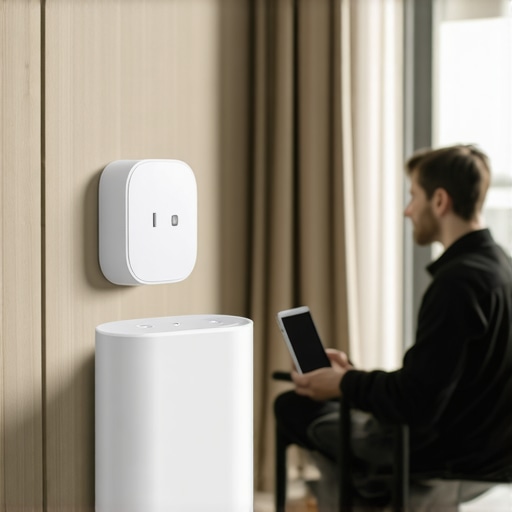
I remember the moment clearly. I was rushing out the door, suitcase in hand, when I realized I forgot to turn off the smart plug controlling my home’s lights. A quick check on my phone revealed the lights had already switched off—without me needing to rush back home. That little incident made me realize how much smart devices, especially smart plugs and trackers, have become essential for my peace of mind. But I also learned early on that not all gadgets are created equal, and choosing the right ones can make or break your experience.
Why Smart Devices Now Matter More Than Ever
In 2024, our homes and travels are more connected than ever. According to a recent study, over 65% of homeowners now use at least one smart device to automate or monitor their property. That’s not just a trend; it’s a necessity. Whether you’re away on vacation, managing a busy household, or just trying to stay a step ahead, having reliable smart plugs and trackers can be a game-changer. They offer convenience, security, and a sense of control that traditional devices simply can’t match.
But here’s the thing—I’ve made my share of mistakes. I once bought a cheap tracker that kept losing connection, leaving me more anxious than reassured. That’s why I’m committed to helping you avoid those pitfalls. We’ll explore the best picks for 2024, backed by real-world experience and solid reviews. If you’ve ever felt frustrated because your devices don’t work as promised or worry about privacy issues, you’re not alone. The key is knowing what to look for, and that’s exactly what I’ll guide you through.
Is This Tech Really Worth It—or Just Another Gimmick?
Many skeptics wonder whether investing in smart home gadgets is worth the cost or if it’s just a passing craze. I admit, I was skeptical at first—after all, some devices are overhyped and underperform. I made the mistake early on of trusting flashy marketing rather than doing proper research, which resulted in wasted money and unmet expectations. Over time, I learned to focus on quality, user reviews, and clear privacy policies (which you can read more about here). Now, I only recommend devices that genuinely improve my daily routine and provide peace of mind.
So, if you’re tired of feeling unsure whether your home is secure or your travel belongings are safe, stay tuned. We’ll dive into the top smart picks for 2024, and I’ll share tips from my own experience to help you make confident decisions. Trust me—taking a little time now can save you a lot of stress later. Ready to find out how to turn your home and travel experience into a seamless, secure adventure? Let’s get started!
Choose Reliable Smart Plugs for Seamless Automation
Start by selecting smart plugs that integrate easily with your existing setup and offer reliable connectivity. I once bought a budget model that kept disconnecting, causing frustration. After switching to a top-rated option, I noticed immediate improvements in stability and responsiveness. For an effortless upgrade, check out the latest options and how they can automate your daily routines here. Make sure the plug supports your preferred voice assistants and has energy monitoring features for added control.
Set Up Smart Trackers to Protect Your Belongings
Next, invest in smart trackers that fit your lifestyle. Think of trackers as the GPS tags for your essentials—they keep you informed about your belongings’ location at all times. When I misplaced my backpack during a trip, a tracker alerted me instantly, saving hours of stress. Choose trackers with long battery life, strong connectivity, and easy app integration. For detailed recommendations, explore the top smart trackers for 2024 here. Proper placement and regular updates ensure you never lose sight of your valuables again.
Integrate Smart Devices with Your Control Hub
To streamline your experience, connect your smart plugs and trackers to a central hub or display. Use smart displays or voice assistants to control everything with a single command or tap. I learned this the hard way—initially managing devices separately was chaotic. Now, with a unified system, I can turn off all lights, check the security status, or locate my keys effortlessly. For tips on maximizing control, visit this guide. Centralized control saves time and reduces the chaos of managing multiple gadgets.
Prioritize Privacy and Security Settings
Before deploying your devices, review their privacy policies thoroughly. I once overlooked this step and faced unexpected data sharing. Now, I read policies at this link and configure settings to limit access. Use strong, unique passwords, enable two-factor authentication, and keep firmware updated. Securing your devices prevents unauthorized access and ensures your data remains private. Remember, a smart device is only as secure as your settings.
Test and Fine-Tune for Optimal Performance
Finally, don’t just set and forget. Regularly test your devices to confirm they work as intended. During my initial setup, I experienced delays in notifications—solving this involved firmware updates and network tweaks. Keep an eye on device performance, battery life, and connectivity. Adjust settings as needed to optimize your security and convenience. For ongoing tips, explore this resource. Continuous fine-tuning ensures your smart home and travel setup remains reliable and efficient.
While it’s tempting to think that choosing the latest smart gadgets guarantees a seamless experience, the reality is far more nuanced. Many users fall into traps simply because they overlook the subtle details that can make or break their setup. For instance, a frequent misconception is that all smart plugs or trackers are equally reliable, but the smart ones are actually highly dependent on specific compatibility, firmware updates, and network stability.
One of the most overlooked mistakes is assuming that a device’s advertised features will work perfectly out of the box. In reality, many gadgets require meticulous configuration, including optimizing privacy settings, enabling firmware updates, and understanding their integration limits. For example, some smart trackers can lose connection if they’re placed too far from the hub or if interference from other wireless devices occurs. It’s crucial to test devices thoroughly after setup, which is something many skip, leading to frustrations later. Learn more about maximizing connectivity here.
Why Do Some Devices Fail to Perform as Expected, and How Can You Prevent That?
The key lies in understanding the underlying tech architecture. A common myth is that higher specifications automatically mean better performance. However, compatibility, firmware stability, and network conditions often matter more. For example, a high-end smart plug may support energy monitoring but might be incompatible with your voice assistant, causing delays or failures in automation. Being aware of these nuances can save you time and money.
Another advanced mistake is neglecting security and privacy configurations. Some users ignore the importance of changing default passwords or fail to enable two-factor authentication, exposing their devices—and personal data—to risks. According to cybersecurity expert Bruce Schneier, overlooking basic security practices in IoT devices significantly increases vulnerability to hacking. Always review privacy policies and customize settings to limit data sharing. More tips on safeguarding your smart devices.
Finally, don’t buy into the myth that more devices mean more convenience. Overloading your home network with incompatible or poorly optimized gadgets can cause interference, lag, and disconnection issues. Instead, focus on quality, compatibility, and proper placement. For a comprehensive guide to smart device essentials, check out this resource.
In summary, the real secret to smart device success is understanding the fine print and hidden mechanics. Test thoroughly, prioritize security, and choose compatible, high-quality gadgets. Doing so can elevate your smart home and travel experience from frustrating to fantastic. Have you ever fallen into this trap? Let me know in the comments.
Maintaining your smart devices over time is crucial to ensure they continue to serve their purpose effectively. From regular updates to strategic placement, a few simple practices can significantly extend the lifespan and reliability of your gadgets. One of the most effective ways I personally keep my smart home running smoothly is by scheduling routine firmware updates. These updates often include security patches, bug fixes, and new features that enhance device performance. I set a monthly reminder to check for updates on my smart plugs and trackers, ensuring they remain secure and functional.
Another tip that has saved me countless headaches is using dedicated network segmentation. By creating a separate Wi-Fi network for my IoT devices, I isolate them from my primary network, minimizing security risks and preventing interference. This setup not only enhances security but also ensures that my smart devices operate without causing congestion or lag on my main connection. Many routers now support easy segmentation, and I highly recommend exploring this feature if available.
Tools I rely on for ongoing device management include dedicated apps with robust alerts and diagnostics. For example, I use the official app of my smart tracker, which provides detailed battery status, connection logs, and troubleshooting tips. Additionally, I’ve found that integrating my devices with a centralized control hub—like a smart display—makes monitoring and managing updates or troubleshooting much more straightforward. To maximize your control, check out this guide for expert tips.
Looking ahead, I believe the trend will move toward more autonomous maintenance features. Firmware updates might become more seamless, happening automatically during off-peak hours, and security protocols will become more proactive. Manufacturers are increasingly adopting AI-driven diagnostics that alert you to potential issues before they become critical, reducing downtime and security vulnerabilities.
How do I maintain my smart devices over time?
One of the most effective strategies is to stay informed about your device’s firmware release notes and security advisories. Regularly visiting the manufacturer’s support page or subscribing to their newsletter can keep you ahead of potential issues. Also, periodically reviewing your device settings and privacy configurations ensures your data remains protected and your devices are optimized for your current needs. Remember, a little proactive maintenance now prevents major headaches later.
Finally, don’t forget to back up your configuration settings where possible. Some smart home hubs allow exporting settings or routines, saving you time during reinitialization after a reset or hardware upgrade. For detailed steps on maintaining your smart setup, visit this comprehensive guide.
Try incorporating one or two of these advanced maintenance tips today, and you’ll notice your smart devices perform better and stay secure longer. Remember, ongoing care is the key to getting the most out of your smart home and travel gadgets.
The Hardest Lesson I Learned About Smart Devices
One of the most valuable lessons I’ve discovered is that not all smart gadgets are designed equally, and compatibility issues can be a silent obstacle. I once invested in a trendy tracker that kept disconnecting, which taught me to prioritize devices with proven stability and good user reviews. Over time, I realized that a device’s reputation and community feedback often reveal its true performance in real-world conditions.
3 Myths About Smart Home Tech That Held Me Back
Myth one: More devices automatically mean better automation. Reality: Overloading your network can cause lag and disconnections. Myth two: All smart devices are equally secure. Reality: Default settings often compromise privacy unless you customize security options. Myth three: Firmware updates are optional. Reality: Regular updates fix bugs, enhance security, and unlock new features—ignore them at your peril.
What Experts Won’t Tell You About Smart Device Longevity
Many professionals emphasize quality over quantity. Investing in fewer, higher-quality gadgets with good support plans and easy firmware updates extends your smart home’s lifespan. Additionally, maintaining a dedicated IoT network segment and scheduling routine checks for updates can keep your devices running smoothly for years, saving you money and frustration in the long run.
My Essential Toolkit for Smart Devices
I rely on a few trusted tools that keep my setup reliable and secure. First, I use a reputable router with network segmentation features, which isolates my IoT devices from my main network. Second, I subscribe to firmware update alerts from device manufacturers, ensuring I don’t miss critical patches. Third, I utilize centralized control hubs that streamline device management—check out this guide for tips on optimizing your control setup. Lastly, I always review privacy policies before adding new gadgets, which helps me maintain control over my data.
Your Turn to Take Action
Embracing smart devices in 2024 can transform your home and travel experiences, but only if you understand the hidden lessons and best practices. Start small, prioritize quality, and stay proactive with maintenance. Remember, a well-managed smart setup isn’t just about convenience—it’s about peace of mind and security. Ready to elevate your smart home game? Dive into the resources and tips shared here, and don’t hesitate to experiment with your setup to find what works best for you.
Reading this post really resonated with me because I’ve learned that not all smart devices are equally reliable, especially when it comes to security and connectivity. I started with budget options initially, only to run into frustrating disconnections and privacy concerns. Since switching to higher-quality devices with good community reviews, my experience has improved drastically. The point about thoroughly testing devices after setup is so true—initial impressions can be deceiving, and subtle issues often only reveal themselves over time. I really appreciated the advice on network segmentation; it’s made a big difference in keeping my IoT setup secure and running smoothly. Have other readers found that segmenting their network enhances device stability and security? I’d also love to hear about tips for integrating multiple smart devices seamlessly with voice assistants, as I’m planning to expand my setup soon.
This post truly echoes my experience with smart home devices. Like the author, I made the mistake of skimping on budget options when I first set up my automation system. Initially, everything seemed fine, but I quickly ran into connectivity issues and even privacy concerns when devices kept disconnecting or sharing more data than I was comfortable with. Switching to higher-quality gadgets with strong reviews made a huge difference. What I’ve learned from my journey is that investing in reliable hardware and maintaining an organized network can save a lot of headaches later. I particularly agree about the importance of testing devices thoroughly—initial setup might look good, but true performance shows over time.
Regarding network segmentation, I’ve set up a dedicated IoT network from my main Wi-Fi, which has significantly improved device stability and security. Has anyone else experienced a noticeable difference after segmenting their network? Also, I’m curious if others have found effective ways to integrate voice assistants seamlessly with multiple smart gadgets. It can sometimes get tricky to keep everything synchronized without lag or conflicts. Would love to hear what solutions or setups others recommend for expanding smart home ecosystems efficiently and securely.