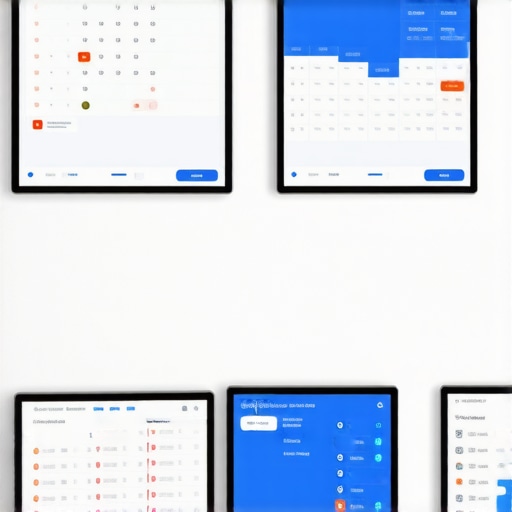
I vividly remember the moment I realized my trusty paper wall calendar was no longer enough. It was a hectic Monday morning, and I reached for my calendar to check a meeting time. Instead of a quick glance, I fumbled and knocked over a cup of coffee—quite the mess. That clumsy accident was a wake-up call. How many times had I missed an appointment because I simply forgot to update my paper calendar, or worse, when I lost track of it amidst the clutter? It dawned on me: I needed a smarter solution.
Transform your Home and Schedule with Smart Displays
Why Clinging to Paper Calendars Holds You Back
Let’s face it—paper calendars, while nostalgic, are clunky, easily overlooked, and frankly, outdated in today’s fast-paced world. They lack integration with our digital lives and can’t adapt on the fly. As someone who’s tried to keep everything manually updated, I can confirm that relying solely on paper is a recipe for missed deadlines and forgotten appointments.
But here’s the good news: technology has advanced to a point where a sleek, wall-mounted smart display can do more than just show dates. These innovative devices can sync with your digital calendars, send reminders, and even display your daily schedule at a glance. They feel like having a personal assistant right on your wall—minus the hefty salary.
Imagine waking up and seeing your entire day’s appointments, traffic updates, weather forecast, and even motivational quotes—all on one brilliant screen. No more frantic searching for that sticky note or accidental coffee spills. Plus, many of these devices offer additional features like voice commands, smart home control, and real-time energy monitoring, truly integrating your schedule and lifestyle into a seamless experience.
So, if you’ve ever felt overwhelmed by traditional planning tools or missed important deadlines, stay tuned. Today, I’ll introduce you to five smart displays that can revolutionize the way you organize your life—making paper calendars a distant memory.
Skeptical about These Moves
I’ll admit, I was initially wary that switching from paper to digital might be complicated or require tech skills I didn’t have. I also feared that these gadgets might be expensive or lack the privacy I value. Early on, I made the mistake of thinking a simple tablet would suffice, only to realize that dedicated smart displays offer a more integrated and distraction-free experience. To learn more about how smart displays can fit into your daily routine, check out articles like [this comprehensive guide](https://smartdevices.techgearshowcase.com/top-smart-displays-with-matter-2-0-to-sync-your-2026-morning). Now, I’m here to help you avoid my pitfalls and ensure your transition is smooth.
Set Up Your Ecosystem
Begin by choosing a smart display that fits your space and needs; I recommend a model with Matter 2.0 support for seamless device integration. Connect it to Wi-Fi and power it on. For example, I installed a 2026-model smart display in my kitchen where I often plan my day. Follow the setup instructions to link your existing digital calendars and smart home accounts.
Sync Your Calendar and Tasks
Integrate your Google, Apple, or Outlook calendar to automatically display upcoming events. During my first setup, I logged into my Google account directly on the display, which immediately populated my schedule. Customize notification settings so reminders appear as banners or sounds, ensuring I never miss appointments again.
Automate with Smart Plugs and Trackers
Use smart plugs to control appliances and devices associated with your routines. For instance, I connected my coffee maker to a smart plug, so I scheduled it to turn on when my morning alarm goes off—no more manual brewing. Additionally, implement smart trackers on your belongings like keys or bags; I attached a tracker to my hiking backpack, which I monitored via my display to ensure I didn’t lose it during trips.
Simplify Access and Control
Maximize control by using voice commands through your smart display. Just saying "Show my schedule" or "Turn off the living room lights" revolutionized my daily routine. For smoother operation, configure routines for common tasks, such as morning weather updates and traffic alerts, ensuring everything is at your fingertips or voice.
Create Custom Automation Routines
Program routines that trigger actions based on time or event. For example, I set a morning routine that turns on the heater, displays weather, and reads my agenda—all with a single command. Utilize the device’s app or built-in features to set triggers, coordinating doors, lights, and appliances for effortless transitions and energy savings.
Refine Privacy and Security Settings
Adjust privacy features such as physical shutters for microphones and cameras, and check app permissions regularly. I enabled the privacy shutter on my smart display, which adds a layer of security when I’m not using voice commands. Also, review data policies periodically via the [privacy policy](https://smartdevices.techgearshowcase.com/privacy-policy) to understand how my information is managed.
Monitor and Optimize Usage
Leverage energy monitoring features to track power consumption of connected devices. I started periodically reviewing data displayed on my smart screen, which helped identify appliances draining excessive energy. Redirect devices to smart plugs with energy-saving features, like those that automatically turn off after completing their task, which you can explore further in [smart plug options](https://smartdevices.techgearshowcase.com/smart-plugs-revolution-automate-your-home-effortlessly). Regularly updating your routines and device firmware ensures optimal performance and security.
Many enthusiasts leap into smart device upgrades thinking they understand their capabilities, but in reality, there’s often a disconnect between perceived and actual functionality. One common misconception is that all smart devices are inherently secure; however, without proper configuration, they can become vulnerable entry points for cyber threats. For instance, leaving default passwords unchanged is a rookie mistake that can compromise your entire home network. Experts advise regularly updating firmware and customizing security settings—more details can be found in [this guide](https://smartdevices.techgearshowcase.com/privacy-policy).
Another nuanced aspect is overestimating the intelligence of some smart trackers. Many believe these gadgets can locate objects through walls or underground, yet most operate on Bluetooth or GPS signals that have limitations. For example, GPS trackers won’t work indoors or in dense urban environments where signal obstruction occurs. To get the most reliable results, integrating multiple trackers or employing ultra-wideband technology might be necessary; learn about some top options [here](https://smartdevices.techgearshowcase.com/top-smart-trackers-gps-devices-for-on-the-go-security-in-2024-4).
Let’s talk about smart speakers—people often think they are solely for voice commands, but what many miss is their potential for environmental sensing. Advanced models are now capable of detecting household leaks, air quality issues, or even glass breakage, plus these features are frequently underutilized. Proper calibration and understanding device limitations are crucial, otherwise, you might be left with false alarms or missed detection opportunities. For an in-depth review of these capabilities, visit [this resource](https://smartdevices.techgearshowcase.com/top-smart-speakers-visual-assistants-for-travel-home-use-2024).
A common pitfall involves smart plugs—many users see them as simple power switches but overlook their energy management potential. Using smart plugs solely for remote control misses out on their ability to monitor power consumption and optimize energy use, which can significantly reduce electricity bills over time. However, choosing incompatible models or neglecting to configure routines properly can lead to wasted energy rather than savings. Check out [this article](https://smartdevices.techgearshowcase.com/smart-devices-for-home-on-the-go-top-picks-for-2024) for tips on selecting and setting up effective smart plugs.
Let’s address a sophisticated question many advanced users ponder: “How can I ensure my smart devices communicate securely without sacrificing convenience?” In essence, employing encrypted Wi-Fi channels, segregating IoT networks, and employing robust VPNs are best practices. Despite these measures, vulnerabilities can still exist if devices aren’t kept current or if default settings are used. Industry experts highlight that continuous education and proactive security management are indispensable in truly mastering the ecosystem of smart home devices—more insights can be gained from [this resource](https://smartdevices.techgearshowcase.com/lock-the-power-of-smart-security).
Have you ever fallen into this trap? Let me know in the comments. Awareness of these nuances can make the difference between a seamless smart home experience and ongoing frustrations. By understanding and avoiding these common pitfalls, you harness the full potential of your technology, ensuring safety, efficiency, and peace of mind.
Gear Up with Reliable Maintenance Practices
To ensure your smart ecosystem remains responsive and secure, regular maintenance is essential. I personally schedule monthly firmware updates for my smart displays and trackers. This proactive approach patches vulnerabilities and enhances functionality, preventing most glitches before they occur. Also, I routinely clear cache data on my smart speakers to keep voice recognition sharp. Setting recurring reminders to check for updates ensures your devices stay current without manual effort.
Invest in quality tools like a good Wi-Fi analyzer app—I’ve used NetSpot extensively—to monitor network performance and troubleshoot connectivity hiccups. A stable Wi-Fi connection is the backbone of seamless smart device operation. For physical maintenance, inspecting device mounts and wiring quarterly helps avoid issues caused by wear and tear. Consider investing in a surge protector for your smart plugs and hubs, especially in areas prone to power fluctuations, to prevent hardware damage.
Select Tools That Boost Longevity
One tool I highly recommend is the smart plug with power monitoring capabilities. It not only controls connected devices remotely but also provides real-time energy consumption data. This insight helps me identify energy-hungry devices and replace or upgrade them accordingly, prolonging their lifespan and reducing bills. Additionally, smart trackers from the best GPS tracker reviews have proven invaluable in maintaining safety over the years, alerting me instantly if a connected item—like my luggage or pet—is misplaced.
For my smart displays, I rely on advanced control tips, which keep the device running smoothly and enhance user experience. Regular routine adjustments and security audits prevent obsolescence and vulnerabilities, especially as new firmware updates roll out.
How do I keep my smart system performing over time?
The key lies in consistency and the right tools. Automate routine checks, update firmware promptly, and use specialized tools like energy monitors and network analyzers. These small but vital practices extend device lifespan and ensure security, making your smart house a resilient and reliable environment. Keep an eye on emerging technology trends—such as integrated AI routines—which could further streamline maintenance in the future. For deep dives into best practices, check out this comprehensive guide. I encourage you to pick one maintenance habit from this article and implement it today—your devices will thank you.
Over the years, my journey with smart displays and devices has taught me that the real magic lies in knowing the nuances—those little insights that aren’t immediately obvious. For instance, I once thought simply installing a smart display was enough, but I overlooked how crucial routine maintenance and security configurations are. This oversight nearly compromised my entire setup. The lesson? It’s not just about adopting technology; it’s about mastering it, understanding its limits, and leveraging its full potential.
Lessons That Changed My Approach to Smart Living
- Security is a Moving Target: Default passwords and neglecting firmware updates can open doors you don’t want to leave open. Regularly reviewing privacy settings and updates has been a game-changer for me.
- Automation Requires Thoughtful Planning: Setting routines isn’t just about convenience; it’s about creating seamless interactions that genuinely improve daily life. I found that carefully designing routines around my actual habits yields better results.
- Not All Devices Play Well Together: Compatibility and proper configuration are essential. I learned that investing in ecosystems with Matter 2.0 support significantly reduced my frustration and increased reliability.
- Maintenance Extends Lifespan and Security: Regular checks, firmware updates, and energy monitoring have prevented many issues before they became problems, saving time and money.
Tools and Resources That Made a Difference
- Smart plugs with energy monitoring: These helped me identify power-hungry appliances and optimize energy use, prolonging device lifespan.
- Expert tips on maximizing smart display control: Empowered me to unlock hidden features and automate routines efficiently.
- Comprehensive connectivities guide: Deepened my understanding of ecosystem compatibility and future-proofing my setup.
- Privacy and security policies: Staying informed allowed me to safeguard my smart home against emerging threats.
Take Command of Your Smart Space Today
Embracing smart displays and devices isn’t just about convenience; it’s about transforming your home into a secure, efficient, and truly intelligent environment. The more you learn and adapt, the more effortless and enjoyable this smart living becomes. Start with small routines, stay vigilant about security, and explore new tools—your smarter, more connected home awaits. How will you begin your journey to mastering your smart home? Share your plans below—I’d love to hear what excites you most about taking control.
I really resonate with the story about spilling coffee on the paper calendar. It’s amazing how telegraphing our schedules onto a smart display can truly transform our mornings, making everything so much more efficient. I recently installed a similar device in my kitchen and found that customizing routines around my daily habits eliminated a lot of stress, especially during rush hours. Plus, I’ve started experimenting with energy monitoring for my appliances, which has also helped cut down my electricity bills. Do others find that automating even small routines, like turning on the lights or preheating the oven, really makes a difference in daily flow? I’d love to hear about the smart routines others have set up that genuinely changed their schedules for the better.