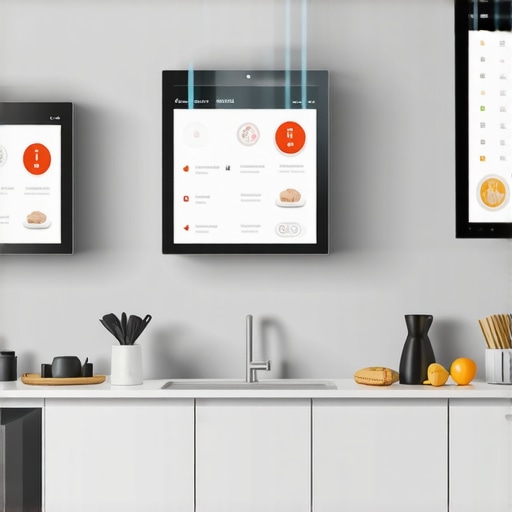
I still remember the moment I realized I was the bottleneck in my own kitchen. It was dinner time, and I was scrambling to find a recipe, check the oven, and keep an eye on my smart speaker for measurements—all at once. That chaos? It’s surprisingly common. I used to think smart devices were just a fancy way to play music or turn on lights, but I quickly learned their potential extends far beyond that, especially when it comes to cooking. If you’ve ever felt overwhelmed trying to manage multiple gadgets, you’re not alone. But here’s the exciting part: with the right combination of smart displays, you can turn your 2026 kitchen into a true culinary command center—like having a professional sous-chef by your side.
Why Your Kitchen Needs More Than Just a Smart Speaker
Most of us start with a single smart speaker, maybe a voice assistant tucked into a corner or a countertop device. They’re convenient, yes, but their small screens and limited interfaces often make multitasking a chore. Could you imagine having a dedicated screen that not only displays recipes but also monitors your smart appliances, manages timers, and even shops for ingredients? That’s where the game-changer lies. I used to rely solely on my smart speaker, but I kept bouncing between apps and devices, wasting precious time. When I finally integrated a few smart displays into my setup, my efficiency skyrocketed. For example, I could glance at step-by-step recipes on the screen while my oven kept the perfect temperature, all synced through connected smart devices. Such setups are not just a convenience—they’re a revolution, especially as homes gear up for 2026 with smarter, more integrated tech.
Is the Smart Display Hype Justified or Overhyped?
Early on, I made the mistake of thinking more gadgets meant more convenience. Turns out, a cluttered countertop can do just the opposite. It’s tempting to pile on the latest devices without considering how they work together. Trust me, if you buy smart displays without planning, you’ll end up with a pile of disconnected gadgets—just more clutter. The trick is to pick the right models that communicate seamlessly. Want to avoid my rookie mistake? Check out tips for maximizing your smart displays. This way, you create a harmonious, efficient kitchen where tech works for you—not against you. Are you facing the frustration of juggling multiple screens and devices? If so, let’s explore some solutions that will make your 2026 kitchen your favorite room in the house.
Set the Foundation with a Reliable Network
Before integrating any smart device, ensure your Wi-Fi network is robust and capable of handling multiple simultaneous connections without lag. Use a tri-band router and position it centrally in your home. Test the speed and stability with online tools to confirm it can support high-bandwidth activities like streaming recipe videos or video calls. Remember, a stable network underpins all smart interactions.
Choose the Right Smart Displays for Your Space
Select smart displays with large, clear screens that fit your countertop or wall space. I once bought a compact model, but during a dinner prep, I found it hard to read recipes from across the kitchen. Upgrading to a 10-inch display made a noticeable difference. Look for models supporting seamless app integration and voice control, and consider models compatible with matter 2.0 for future-proofing. Tips for maximizing your smart displays can guide your selection.
Install and Organize for Efficiency
Mount displays on walls or position them on stands for easy viewing. Group your devices logically—keep cooking-related displays near prep areas and voice assistants close to the dining space. Use cable management to keep your workspace tidy. During my setup, I labeled cords and mounted the display on a swivel arm, reducing clutter and making it easier to adjust viewing angles during meal prep.
Integrate Standalone Devices for a Cohesive Ecosystem
Connect your smart speakers, trackers, and plugs through a unified app or hub. I used a smart hub with automation capabilities to centralize control. For example, I programmed setups where asking my smart speaker to ‘start dinner’ simultaneously turns on the oven, sets the right temperature, and initiates recipe videos on the display. This automation simplifies the process and saves time.
Leverage Smart Plugs to Automate Appliances
Use smart plugs to control high-power devices like ovens or coffee machines. Install plugs with energy monitoring to track consumption, and set schedules or triggers for routine tasks. I set my smart plug to turn off the kettle after 10 minutes automatically, preventing waste and ensuring safety. Visit this guide for top plug recommendations.
Optimize Voice Control and Privacy Settings
Configure voice assistants for specific kitchen commands—like setting timers or adding ingredients—to avoid distractions. I dedicated a smart speaker for kitchen tasks, disabling unnecessary microphones for privacy, especially during conversations. Use the built-in privacy controls to mute or turn off microphones when not in use, and consider devices with physical kill switches for added security. Check privacy options to customize your setup.
Incorporate Smart Trackers to Keep Track of Your Gear
Attach trackers to utensils, gadgets, or even your camera if you stream cooking videos. These trackers can ping your phone when you’re about to forget something or locate misplaced items amid clutter. I used compact trackers on my spice jars and remote control, saving time hunting and keeping my workspace organized. For safety and convenience, explore top trackers.
Maintain and Troubleshoot Your Smart Kitchen System
Regularly update device firmware and app software to ensure security and compatibility. Set up routine checks to verify devices function correctly. If a display freezes, restart your hub or reboot devices. Keep a log of your automations to identify what works best. In my experience, scheduling monthly reviews of device connections prevented most glitches and kept everything running smoothly.
By implementing these concrete steps, you’ll transform your kitchen into an efficient, connected environment where tech simplifies cooking rather than complicates it. Remember, deliberate planning and organization maximize the benefits of your smart setup—making every meal a seamless experience.
Many enthusiasts believe that simply adding more smart devices automatically creates a seamless, efficient home. However, this assumption often leads to overlooked nuances that can sabotage your efforts. For instance, a common myth is that compatibility issues are easy to handle; in reality, integrating devices from different ecosystems can introduce unpredictable behavior, such as inconsistent automation triggers or delayed responses. This is especially true when devices rely on outdated firmware or support different standards like Zigbee or Z-Wave, which may not always communicate flawlessly. To maximize your smart home’s potential, ensure that all components support your chosen protocols and keep firmware updated—neglecting this can cause stubborn connectivity problems. Explore our comprehensive guide to device connectivity for advanced compatibility strategies.
How do I maintain my smart devices for long-term performance?
Maintaining a smart home ecosystem requires more than just initial setup; it demands ongoing efforts to ensure reliability and security. I personally rely on a combination of scheduled firmware updates, regular device health checks, and smart monitoring tools. For example, I set monthly reminders to update firmware on all my smart displays and trackers, which prevents compatibility issues and security vulnerabilities. Utilizing a centralized dashboard like Home Assistant or Hubitat allows me to monitor device statuses in real-time, quickly identifying any offline or malfunctioning units before they cause disruptions. This proactive approach not only preserves the seamless operation I value but also extends the lifespan of my equipment.
Adopting these practices is especially crucial as the ecosystem expands. As we move toward 2026, smart device standards like Matter 2.0 promise increased compatibility, but only if firmware and network configurations are kept current. Regularly verifying device performance, updating protocols, and maintaining a robust network foundation are the bedrock of sustained smart home reliability.
Recommended tools for ongoing maintenance and troubleshooting
One tool I find indispensable is Fing—a network scanner that helps me detect unauthorized devices and troubleshoot connectivity issues swiftly. I’ve also integrated automation scripts that trigger notifications if a device goes offline, prompting me to investigate immediately rather than discovering problems during critical moments. For managing firmware updates across multiple devices, I use manufacturer-specific apps that support batch processing, saving time and reducing manual errors.
Furthermore, investing in smart plugs with energy monitoring capability allows me to track device power draw over time, uncovering irregular behaviors that might indicate underlying faults. For detailed insights and step-by-step guides, check out this in-depth connectivity guide.
Future trends in maintaining smart home systems
Looking ahead, I believe AI-driven maintenance systems will become more commonplace, proactively diagnosing issues before they impact the user experience. Enhanced integration with cloud and edge computing will allow devices to self-adjust, reducing the need for manual intervention. To stay ahead, I recommend adopting tools that support automated updates and health checks now; it’s an investment that pays off as your ecosystem grows more complex.
Start by choosing smart devices that support remote firmware updates and integrate seamlessly with your existing network. Implementing these practices today prepares you for the innovations coming in 2026, making your smart home not only smarter but also more resilient. Don’t forget to try an automated health check routine—it’s an effective way to maintain peak performance effortlessly.
Three Surprising Lessons I Learned About Mastering Smart Displays and Devices
- Don’t Overlook Compatibility: Early on, I underestimated how crucial it was for all my smart devices to speak the same language. Mixing ecosystems without thorough research can lead to frustration and broken automations. Investing time to ensure your devices support standards like Matter 2.0 saves headaches later.
- Prioritize Privacy from Day One: I was initially excited to automate everything but realized the importance of securing my privacy. Using smart speakers with built-in kill switches and disabling microphones during sensitive conversations made me feel more secure and in control.
- Maintenance is Your Best Friend: Regular updates and health checks prevent issues before they impact your routine. Setting monthly reminders to update firmware and using monitoring tools has kept my smart kitchen running smoothly without unexpected glitches.
My Go-To Arsenal for Smarter Cooking
- Tips for maximizing your smart displays: Essential for organizing your recipes and monitoring appliances effortlessly.
- Smart plug guides: Automate your oven, kettle, or other gadgets with ease.
- Connectivity insights: Ensures all your devices work seamlessly together, avoiding compatibility headaches.
- Privacy best practices: Protects your home while enjoying the benefits of smart technology.
Seize the Moment
Embarking on your smart kitchen journey might seem daunting at first, but remember—every small step brings you closer to a more organized, efficient, and enjoyable cooking experience in 2026. Embrace the tech, keep privacy in check, and stay proactive with maintenance. Your future-ready kitchen awaits—are you ready to make it happen? Dive into the world of smart device mastery today, and turn your culinary space into a true command center. Do you have any specific smart device challenges or goals? Share below—I’d love to hear your story.